Definition
Two related but presumably distinctive conditions are discussed in the literature: Attention-deficit disorder without hyperactivity (ADD) and Attention-deficit disorder with hyperactivity (ADHD).
The American Psychiatric Association's Diagnostic and Statistical Manual, Third Edition -Revised (DSM-III-R), defines ADD and ADHD as a developmentally inappropriate inattention and impulsivity, with or without hyperactivity. This definition conforms to shifting the focus of the disorder from excessive physical activity. ADD is implicated in learning disorders and, except for moderate to profound mental retardation, can influence the behavior of children at any cognitive level. The central feature of ADHD is trouble getting things done, both at home and at school, and trouble getting along with adults and other children. Although many parents of energetic children ask their doctors about hyperactivity, it is not a common disorder. According to an article in the British Journal of Psychiatry only 3 percent of children are actually diagnosed with an attention deficit hyperactive disorder. Nevertheless, according to many other sources, ADD is estimated to affect 10% of boys and 3% of girls from 4 to 11 years old, a total of 5 to 10% of school-aged children, precipitating half of the childhood referrals to diagnostic clinics.
Despite its frequent use as a diagnosis, there is a strong argument that ADD (with or without the hyperactivity component) is a collection of symptoms or criteria, an administrative category, rather than a true diagnostic entity. A simple tour though the several recent volumes of the American Psychiatric Association's Diagnostic and Statistical Manual of Mental Disorders reveals the uncertainty surrounding the diagnosis of attention-deficit hyperactivity disorder (ADHD). During the past 20-30 years we have seen this condition labeled minimal brain damage, minimal brain dysfunction, behavior and learning disorder; hyperkinetic-impulsive disorder; hyperkinetic syndrome, developmental hyperactivity, and finally ADHD. Hence while this diagnosis is frequently resorted to and is commonly used, and perhaps excessively relied upon, by parents, teachers and school officials, caution and circumspection are recommended in making the decision to label a child with the diagnosis of ADHD. In many cases, once the parents and child have accepted the label of "ADD" the element of determinism seems to predominate and no one seems to accept the possibility of improvement through observation, initiative and change; the label provides too easy an excuse for every difficult situation.
Causes
The exact cause or causes of ADD are unknown. Several theories advocating biochemical, sensory and motor, physiologic, and behavioral correlates and manifestations have been proposed. The conventional medical community theorizes that the disorder may result from genetic factors, chemical imbalance, injury or disease at or after birth, or a defect in the brain or central nervous system, with the result that the mechanism responsible for controlling attention capabilities and filtering out extraneous stimuli does not work properly. Less than 5% of children with ADD have evidence of neurologic damage, but CT scans and EEGs have not shown structural abnormalities. Recent research indicates neurotransmitter abnormalities, e.g., decreased activity or stimulation in upper brainstem and frontal-midbrain tracts. Food sensitivities, toxins, neurologic immaturity, and environmental problems have also been hypothesized. As many as half of all hyperactive children have fewer behaviour problems when put on a diet free of such substances as artificial flavorings, food colorings, preservatives, monosodium glutamate, caffeine, sugar, and chocolate. Poor diet and subclinical hypoglycemia are also contributing factors in many cases. In every case, the family dynamics must be examined, especially if the child has already been diagnosed with ADD so that attitudes and behaviours have been shaped around this label.
Nutritional and Environmental Factors:
Food additive sensitivities - "Feingold hypothesis"- Benjamin Feingold, M.D. estimated that 40-50% of hyperactive children are sensitive to artificial food colours, flavours, and preservatives as well as naturally occurring salicylates and phenolic compounds. His claims were based on over 1,200 cases in which food additives were linked to learning and behavior disorders. He presented his findings to the AMA in 1973. Researchers focused on only 10 of the food dyes versus the 3,000 additives with which Feingold was concerned. A negative correlation was found and the National Advisory Committee on Hyperkinesis and Food Additives to the USA Nutrition Foundation in 1980 filed a negative report about the role of food additives and hyperactivity.
Most of the research refuting Feingold's hypothesis comes from C. Keith Conner's book, Food Additives and Hyperactive Children. Rippere has reviewed much of the work done by Conner and has placed criticism in 6 areas:
- The placebo used was a chocolate cookie. Conner even admits in a follow-up two years later that 21% of the mothers mentioned that chocolate adversely affected their children's behavior.
- Only 26 mgs worth of additives were used compared with 76.5 mg average and 150 mg 90th percentile.
- The dose interval was relatively long.
- Conner used the cytotoxic test for determining allergies. This test has many false positives and negatives.
- Evaluation was not done on a daily basis and the evaluations were very subjective.
- Conner consistently minimizes and discounts findings which support Feingold's findings
Food allergy/sensitivities
- Food and inhalant allergies, especially salicylates, phenolic food components and traditional antigens
- Hypoglycemia
- Nutrient deficiencies: Many nutrient deficiencies can cause impaired CNS function. Iron is the most common nutrient deficiency in American children. Most research has been done with vitamin B-6, vitamin B-3, and calcium.
- Lead toxicity: It has been estimated that the human body can tolerate about 1 mg of lead without suffering from toxic side effects. In an urban environment the average person ingests, with solid foods, 1 mg/wk. Another 0.1 mg/week comes from beverages. The World Health Organization estimates only 10% of the lead ingested is actually absorbed. Typical airborne inhalation of lead in an urban environment is about 0.2 mg/day. Researchers have demonstrated that children absorb and retain much higher amounts of lead than adults.
- Abnormal lighting: TV and fluorescent lighting
Medicine
•"Ritalin Wrongly Used to Diagnose Attention Deficit," Goldman Erik L., Family Practice News, November 1, 1995:33
Diet and Nutrition
Elimination Diet
•"Food and Additives are Common Causes of the Attention Deficit Hyperactive Disorder in Children", Boris, Marvin, M.D. and Mandel, Francine S., Ph.D., Annals of Allergy, May 1994;72:462-468
•"Controlled Trial of Hyposensitization in Children With Food- Induced Hyperkinetic Syndrome", Egger, Joseph, et al, The Lancet, May 9, 1992;339:1150-1153
•"The Effect of a Double Blind, Placebo Controlled, Artificial Food Colourings and Benzoate Preservative Challenge on Hyperactivity in a General Population Sample of Preschool Children," Bateman B, Warner JO, et al, Arch Dis Child, June 2004;89:506-511
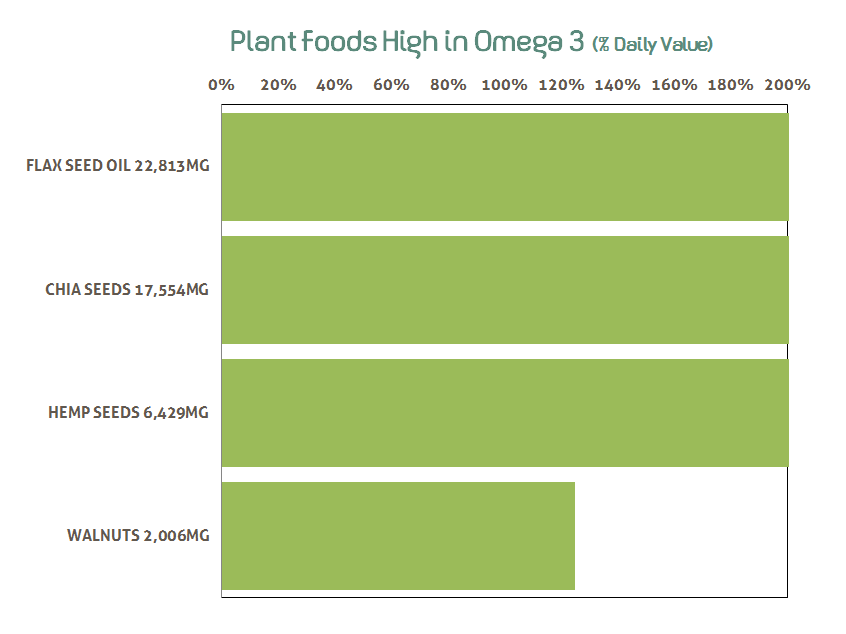
Salicylate Intolerance and Essential Fatty Acid Deficiency
•"A Lack of Essential Fatty Acids as a Possible Cause of Hyperactivity in Children," Colquhoun I, Bunday S, Med Hypotheses, 1981;7:673-679
•"EPA supplementation improves teacher rated behaviour and oppositional symptoms in children with ADHD," Gustafsson PA, Karlsson T, et al, Acta Paediatr, 2010 May 19
Chromium Deficiency
•"Chromium, Glucose Tolerance, Diabetes and Lipid Metabolism", Anderson, Richard A., Ph.D., Journal of Advancement in Medicine, Spring 1995;8(1):37-50.
Iron Deficiency
•"Impact of restless legs syndrome and iron deficiency on attention-deficit/hyperactivity disorder in children," Konofal E, Cortese S, et al, Sleep Med, 2007 Jul 17
Magnesium Deficiency
•"Assessment of Magnesium Levels in Children With Attention Deficit Hyperactivity Disorder (ADHD)," Kozielec, T and Starobrat-Hermelin, B, Magnesium Research, 1997;10(2):143-148.
Zinc Deficiency
•"Relationships Between Serum Free Fatty Acids and Zinc, and Attention Deficit Hyperactivity Disorder: A Research Note," Bekaroglu M, Aslan Y, Gedik Y, et al, J Child Psychol Psychiatr, 1996;37(2):225-227
Nitrogen Dysmetabolism
•"Nitrogen Metabolism in Normal and Hyperkinetic Boys," Stein TP, Sammaritano AM, Am J Clin Nutr, April, 1984;39:520-524
Heavy Metal Accumulation
•"Mercury in Medicine-Taking Unnecessary Risks", Report of the Subcommittee on Human Rights and Wellness, Committee on Government Reform, United States House of Representatives, May 2003
•"Methylation: The Link Between Thimerosal and Autism?" Autism Res Rev Int, 2004;18(1):1/Waly M, Olteanu H, Banerjee R, et al, Mol Psychiatry, January 27, 2004
•"Lead and Hyperactivity Revisited: An Investigation of Nondisadvantaged Children," Gittelman R, Eskenazi B, Arch Gen Psychiatry, August, 1983;40:827-833
"Clinical Import of Small Increases in Serum Aluminum," Howard JMH, Clin Chem, 1984;30(10):1722-1723
Herbs
- Avena sativa (Wild oat): calms the nervous system; one dose daily for one month; 100 g to a full bath
- Ferula asafoetida (Giant fennel): hysteria, emotional attacks associated with flatulent distention of the abdomen
- Chamomile: effective and time-proven relaxant; one cup of tea at bedtime, as needed.
- Cimicifuga racemosa (Black cohosh): puerperal, suicidal despondency
- Eleutherococcus senticosus (Siberian ginseng): modulates blood sugar metabolism and aids adrenal function; 300-400 mg daily of concentrated, standardized extract of roots and rhizomes or 2-3 g of dry, powdered roots and rhizomes, in 2-3 divided doses; for children use one-half the adult dose
- Eschscholtzia californica (California poppy): sedative and anxiety-reducing effects
- Evening primrose oil: corrects the essential fatty acid deficiency noted in some ADHD children; 2 to 3 grams daily; recommended by the Hyperactive Children's Support Group of Great Britain.
- Ferula asafoetida: hysteria, emotional attacks associated with flatulent distention of the abdomen
- Gymnema: for sugar cravings; add 15 drops of the tincture, which is a liquid herbal extract, to a small amount of water or juice twice daily; or, 1 capsule 3 times a day can be taken if the child can swallow it
- Humulus lupulus (Hops): nervous excitability in fevers, sedates, produces sleep; especially indicated with restlessness and anxiety states, sleep disorders; infuse 1 tablespoonful of hop strobiles with 1/4 liter of boiling water; leave for 10 minutes, for 1 cup of hop tea; 1 cup per day for children up to 3 years old is usually sufficient; with older children, the dose may be increased to 1 cup, three times daily; a pillow containing hops strobiles can also be effective
- Hypericum perforatum (St. Johns wort): for sedative action, especially with nervous restlessness and sleep disorders; infusion of 1 teaspoonful of the cut-up herb (with minimal stems) with 200 ml of boiling water on to; leave for 10 minutes; daily dosage of 1 one cup for young children, 2 - 3 cups for children above 3 years old; fluidextract: 5 drops twice daily for young children, 10 drops up to three times daily for schoolchildren
- Lavandula angustifolia (Lavender flowers): especially indicated with restlessness, problems going to sleep, functional epigastric symptoms, nervous stomach and intestinal symptoms due to nerves". Dosage: Pour 150 ml of boiling water on to teaspoonful of lavender flowers, cover, and leave to infuse for 10 minutes
- Melissa officinalis (Balm leaves): especially indicated with "problems going to sleep of nervous origin, functional gastrointestinal disorders;" infuse 1 tablespoonful of cut-up balm leaves with about 150 ml of boiling water for 1 cup of balm tea, cover the container and leave for about 10 minutes; infants are given 1 cup in divided doses over the day, young children up to 3 cups daily
- Passiflora incarnata (Passion flower): specific for "nervous restlessness". Dosage: infuse 1 tablespoonful of the cut-up herb with 150 - 200 ml of boiling water, leave on a low flame for 5 minutes; young children are given 1 cup per day, children of 3 years and over, up to 3 cups daily.
- Scutellaria (Skullcap): a relaxant and calms the mind; one dose, three times a week, for three months. Note: This herb should not be given to a child less than six years old.
- Valeriana spp. (Valerian): hysteria.
Stress
•"Attention Deficit Hyperactivity Disorder: Does It Affect Adults Too", Heath, Charles T., Jr., M.D., et al, Southern Medical Journal, December 1990;83(12):1396-1401
Summary and Suggestions
Hyperactivity is a childhood disorder characterized by inability to concentrate, impulsiveness, and the need for constant movement. It is frequently accompanied by learning and behavioral problems in school. Other symptoms of hyperactivity may include poor memory, lack of coordination, inability to finish projects, speech or hearing problems, headaches, stomach aches, and frequent temper tantrums.
Since emotional problems, family stress, and learning disabilities usually accompany hyperactivity, it is important to seek the help of a counseling professional and to involve the whole family in the treatment. Consult a physician if there are symptoms that indicate a possible ear infection, such as hearing loss, fevers, and swollen and aching ears.
Dietary Suggestions
- Food allergies may be causing or adding to the problem; the common problematic foods are: dairy products (including milk, cheese, ice cream) and eggs, wheat, corn, and sugar.
- After eliminating all of those foods from your child's diet, and the symptoms have gone away, one food at a time can be reintroduced to see if the symptoms reoccur. A new food would be introduced each week. For more information about the elimination diet and food allergies, refer to the article on Food sensitivities.
- Eliminate or greatly reduce sugar foods such as candy, cake, cookies, soda pop, and refined carbohydrates, including white flour products and white rice.
- Maintain an overall healthy diet. A healthy diet includes daily servings of leafy green vegetables, whole grains, fruit, and proteins with a minimum of animal fat.
- Whole-foods diet, high in protein and complex carbohydrates; reduce sugar and simple carbohydrates.
- Use as many fresh, whole foods as possible. Avoid processed and prepackaged foods.
- It is essential to read product labels to rule out allergic food ingredients as well as artificial colorings, bleaching agents, preservatives, and other additives. A rule of thumb is that if you don't recognize a listed additive, don't use the product until you find out more about the additive's possible effects.
Food Suggestions
- Increase plant foods rich in Vitamin B-complex including asparagus, Romaine lettuce, mushrooms, spinach, tomatoes, eggplant, cauliflower, broccoli, turnip greens, bell peppers, seaweeds, algae
- Plant foods high in Vitamin C including bell peppers, lemon, papaya, kale, mustard greens
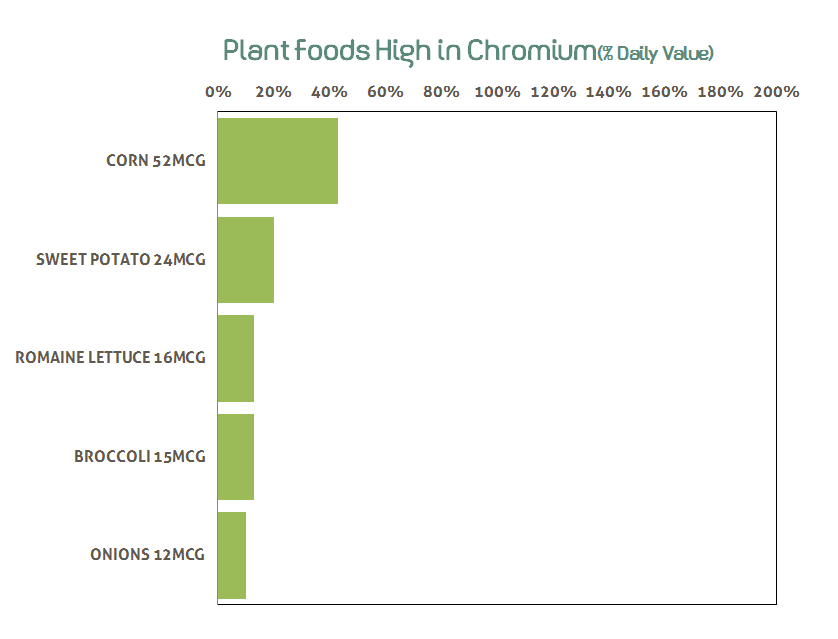
- Plant foods high in Chromium including cocoa powder (unsweetened), corn on the cob, sweet potato, onion, broccoli, tomato, Romaine lettuce
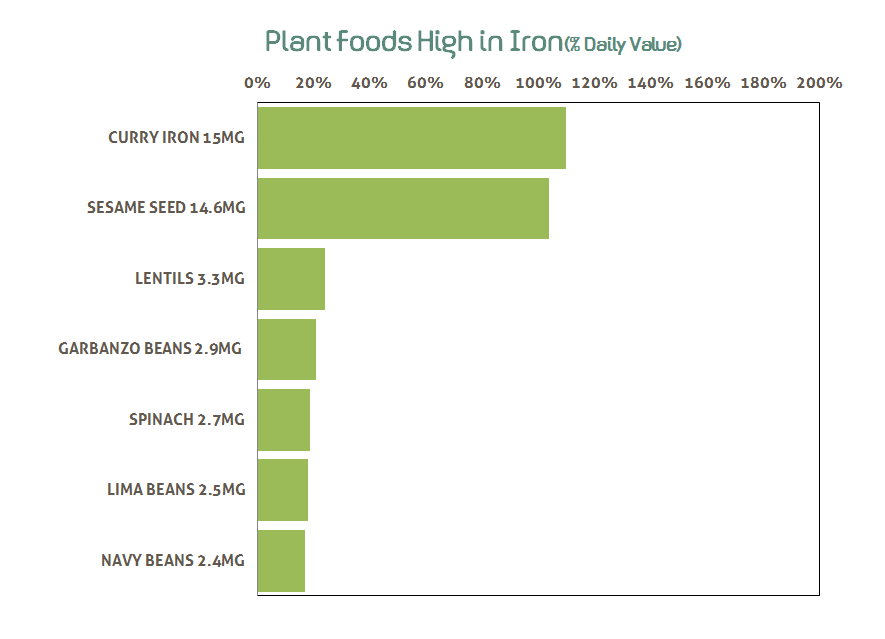
- Plant foods high in Iron including sesame seeds, lentils, garbanzo beans, spinach, lima beans, navy beans
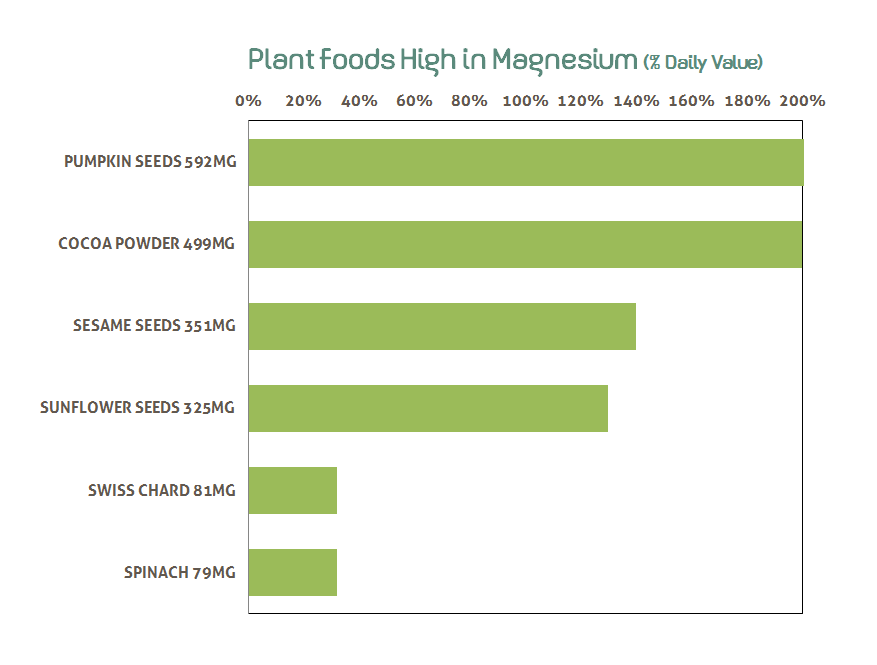
- Plant foods high in Magnesium including pumpkin seeds, cocoa powder (unsweetened), sesame seeds, sunflower seeds, Swiss chard, spinach
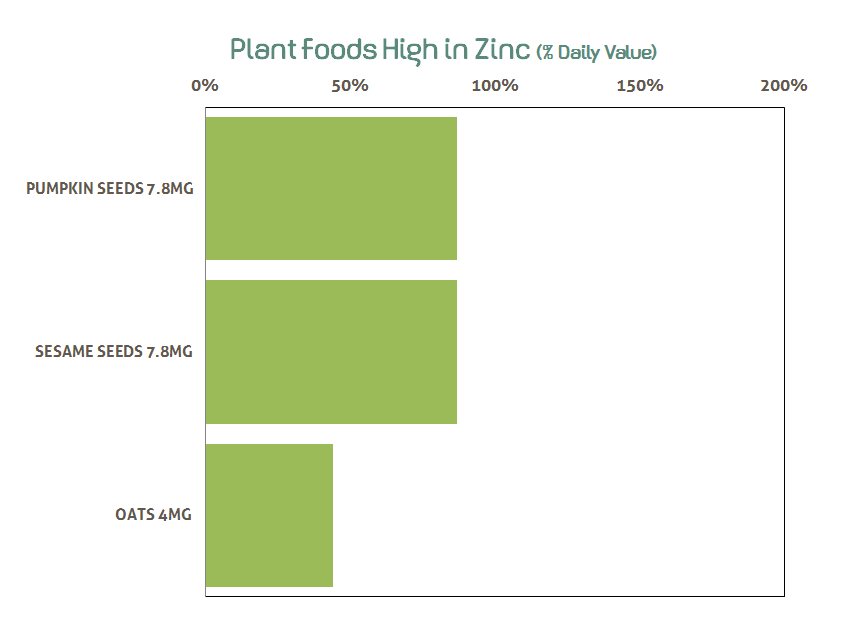
- Plant foods high in Zinc including pumpkin seeds, sesame seeds, oats
- "Feingold hypothesis"- Benjamin Feingold, M.D. estimated that 40-50% of hyperactive children are sensitive to artificial food colors, flavors, and preservatives as well as naturally occurring salicylates and phenolic compounds. His claims were based on over 1,200 cases in which food additives were linked to learning and behavior disorders.
- Avoid food additives: eliminate processed foods that contain artificial colors, flavors, sweeteners, and preservatives, commonly listed as benzoates, nitrates, and sulfites; common food additives also include calcium silicate, BHT, BHA, benzoyl peroxide, emulsifiers, thickeners, stabilizers, vegetable gums, and food starch.
- Avoid salicylate-containing foods:
- Fruits: almonds, apples, apricots, cherries, currants, nectarines, peaches, plums and prunes
- Berries: blackberries, boysenberries, gooseberries, raspberries, strawberries
- Grapes and raisins or any product made with grapes: wine, wine vinegar, jellies, foods containing fruit juice sweeteners
- Oranges, and grapefruit (note: lemon and lime are permitted)
- Spices: cardamom, cinnamon, cloves, curry, oregano, paprika, pepper, rosemary, sage, turmeric
- In a study of hyperkinetic children and behavioral changes associated with diet, acetyl salicylate was the phenolic compound provoking the greatest frequency of responses (80%), while from foods, sugar, corn, beef and egg were the next most common offenders at 30%. (McGovern, 1983.)
The Hyperactive Children's Support Group of Great Britain recommends avoiding the following:
- Tartrazine, Sunset Yellow, Benzoic acid, amaranth, Red 2G, Brilliant Blue FCF, Carmine, Quinoline Yellow, FCF, Carmoiic acid, Sulfur dioxide, Potassium nitrate, BHT, Caramel, Cochineal, Sodium benzoate, Sodium nitrate, BHA, Indigo
- minimize food sensitivities: eliminate or reduce the intake of cow's milk, soy, eggs, wheat, citrus, and other potential allergenic foods
- minimize sugars and simple carbohydrates to reduce risk of hypoglycemic reactions
- 75% of criminals were hyperactive children and more than 50% have abnormal glucose tolerance test results. Hypoglycemia can stimulate increased catecholamine secretion.
- avoid meat, alcohol, hot sauces, spicy foods, fried foods, fatty foods, rich foods, salty foods, coffee, caffeine, sweet foods and sugar
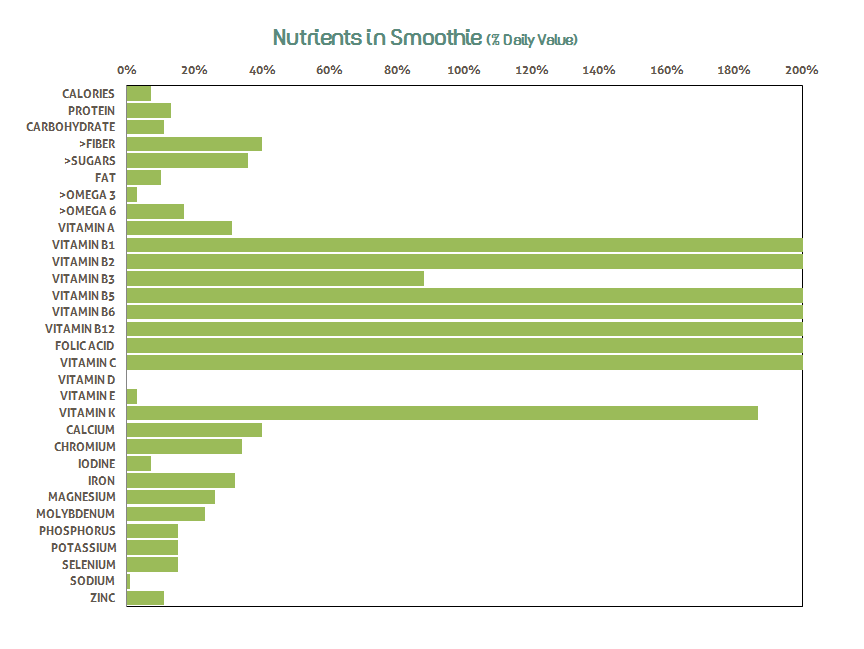
Smoothie Suggestions (serves 1)
Ingredients
- 1 cup filtered water
- 1 heaping tbsp Purefood A-Z (10 g)
- 1 scoop Purefood B
- 1 scoop Acerola C
- 2 tsp organic raw sesame seeds (11.2 g)
- 1 medium organic pear (125 g)
- 1 heaping tsp raw cacao (5.8 g)
Directions
Wash the pear and cut into medium pieces. Combine all ingredients in a blender and blend until smooth. Drink slowly and enjoy.
Substitutions
- Non citrus organic fruit juices to replace water for taste
- Organic raw pumpkin seeds or walnuts to replace sesame seeds
- Fresh organic apple or banana to replace apple
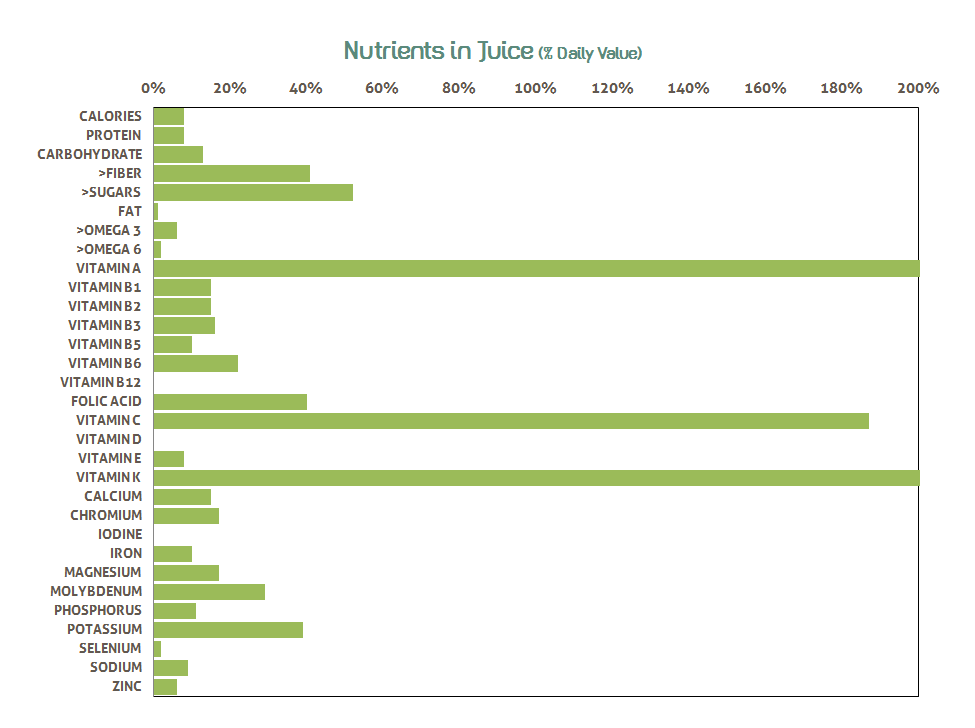
Juice Suggestions (serves 1)
Ingredients
- 2 medium organic carrots (256g)
- 1 cup organic papaya (140 g)
- 1 cup organic spinach(30g)
- 1 tsp lemon juice
Directions
Wash produce well. Cut carrots and papaya in small enough pieces to feed through your juicer. Juice carrots, papaya and spinach, combine, add lemon, drink slowly and enjoy!
Substitutions
- Organic beets to replace carrots
- Organic strawberries to replace papaya
- Organic turnip greens or Swiss chard to replace spinach
Salad Suggestions (serves 1)
Ingredients
- 2 medium stalks organic green leafy lettuce (65g)
- 1 cup organic spinach (30g)
- 1 small organic tomato, diced (90g)
- 1/4 organic cucumber diced (60g)
- 1/4 cup raw organic pumpkin seeds (52g)
Directions
Wash greens well and tear into bite size pieces. In a medium bowl toss greens, pumpkin seeds, diced tomato and cucumber. Add dressing from the recipe below.
Substitutions
- Kale, Swiss chard, collard greens or turnip greens to replace spinach
- Sesame seeds to replace pumpkin seeds (zinc)
- Additional option, top with lean organic meat , cooked well
- Optional- Add finely chopped onions
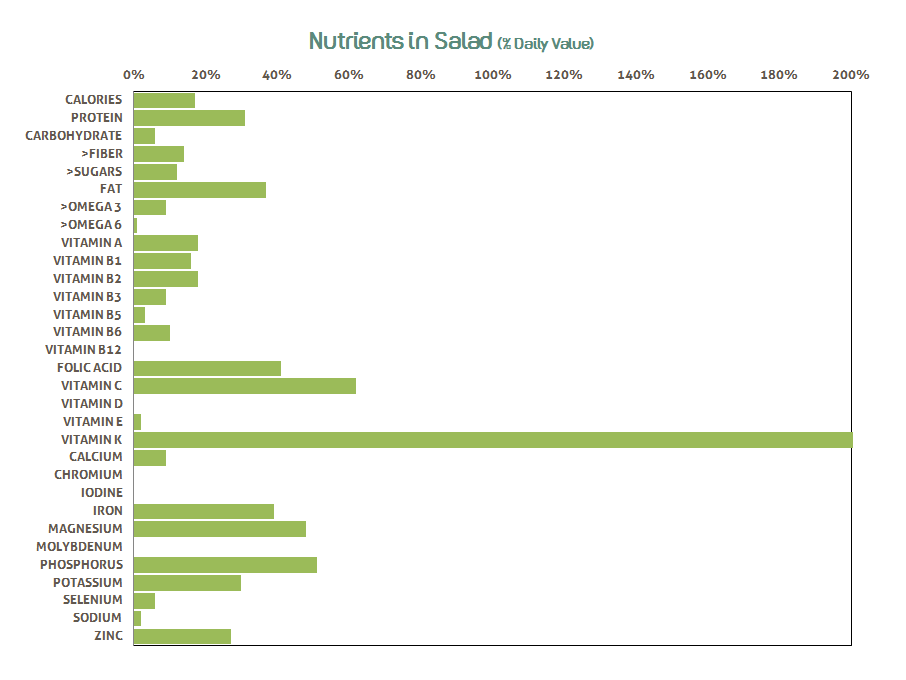
Salad Dressing Suggestions (serves 1)
Ingredients
- 1 tbsp organic tahini (15g)
- 1 tbsp organic olive oil (15 ml)
- 1 tsp organic lemon juice
- 2 tsp organic gluten free tamari
Directions
In a small bowl, whisk together tahini, lemon, tamari and oil until well combined.
Substitutions
- Substitute lemon juice with apple cider vinegar
- Add fresh galric (1 small clove) if so desired
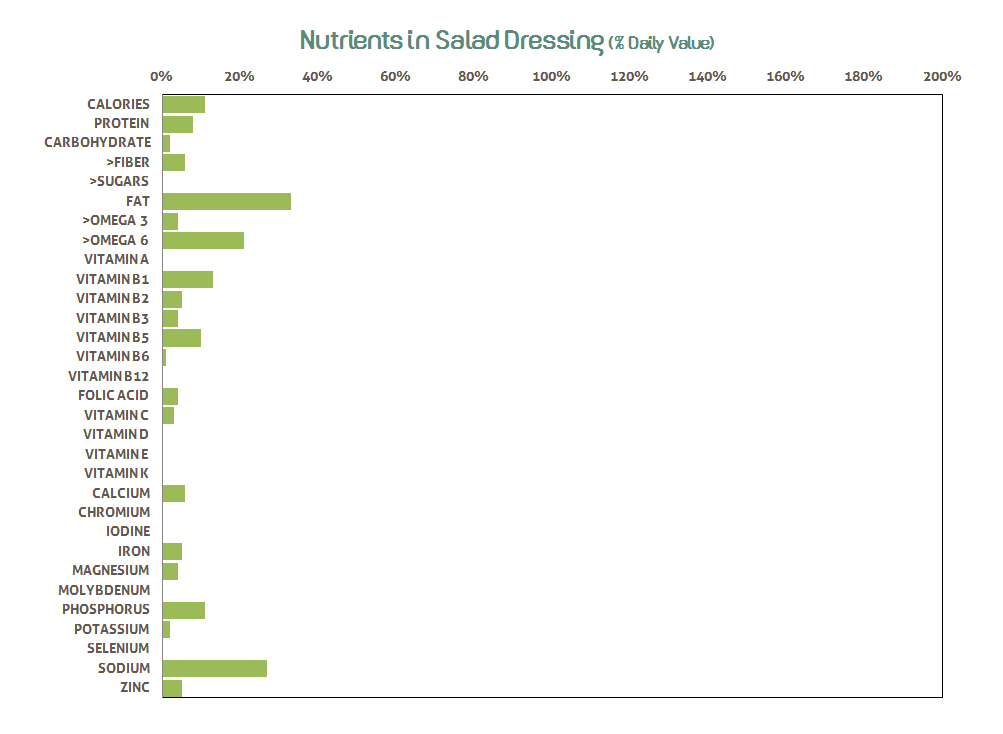
Breakfast Cereal Suggestions (serves 1)
Ingredients
- 1/2 cup organic quinoa(88.6g)
- 1 cup filtered water
- 2 tsp organic chia seeds (12g)
- 1 tbsp organic sunflower seeds (8.75g)
- 1 tsp organic maple syrup (4.7g) (optional)
Directions
Bring 1 cup water to a boil. Add quinoa, reduce to simmer and cook for 15-20 minutes or until fluffy. Top with chia and sunflower seeds. Optional- add maple syrup for flavor.
Substitutions
- 1/2 cup organic steel cut oats (soaked)
- Organic almonds, chopped to replace sunflower seeds
- Organic flax seeds to replace chia seeds
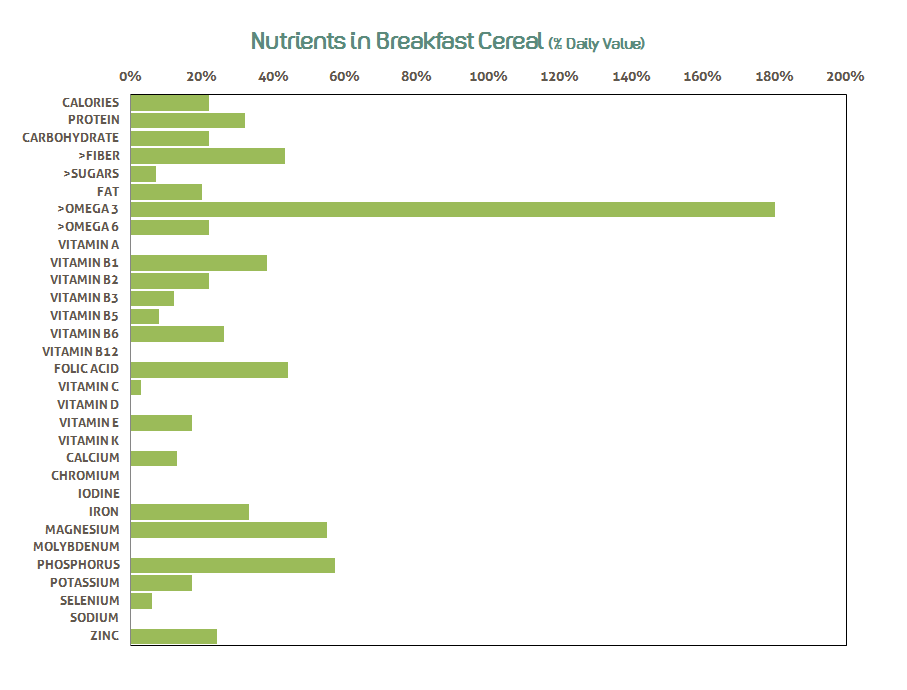
Stew Suggestions (serves 2)
Ingredients
- 1 cup organic sweet potato (136 g)
- 1 cup organic lentils (198 g)
- 4 stalks organic asparagus, chopped (120 g)
- 1 cup organic kale, chopped (67 g)
- 1 tbsp fresh organic ginger grated (15 g)
- 1 tsp dried thyme (1 g)
- 1 tbsp fresh parsley, chopped (6 g)
- 1 clove organic garlic (3 g)
- 1 tsp Himalayan sea salt
- 4 cups filtered water
- 1 cup organic brown rice cooked (195 g)
Directions
Rinse brown rice. In a small pot bring 2 cups water to boil. Add rice and reduce to simmer, cover and cook for 30-40 minutes. Wash and chop all veggies into bite size pieces. In a large pot combine sweet potato, lentils, ginger and water. Cook for 10 minutes on medium heat. Add spices and cover for 15 minutes, until lentils are cooked. Add asparagus, kale, and garlic. Simmer 5 minutes. Serve on cooked brown rice. Chew well and enjoy!
Substitutions
- Organic chicken to replace lentils
- Add onion, chopped
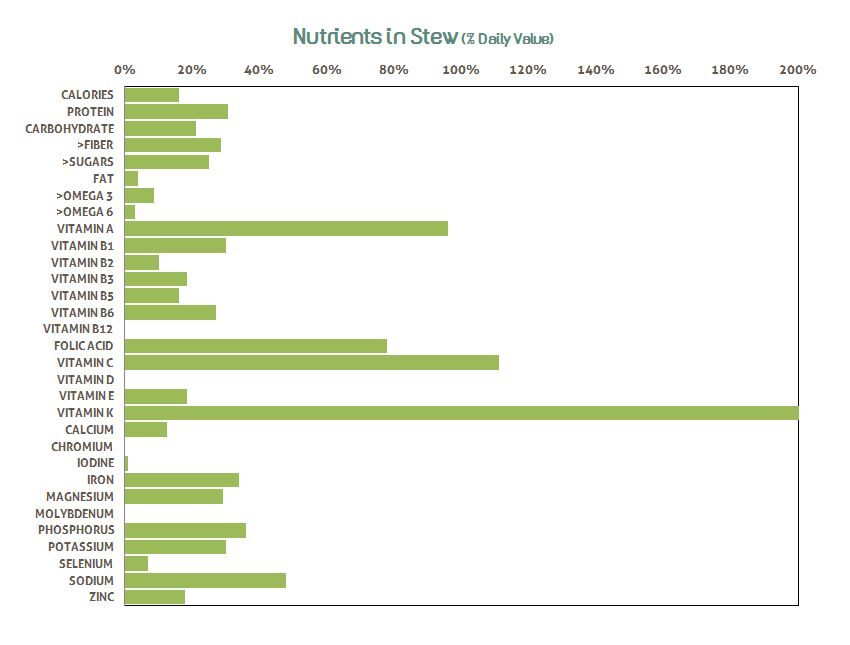
Herbal Tea Suggestions
- Oatstraw tea – 1 cup before or with breakfast and 1 warm cup before bedtime. Use 2 teaspoons of the dried herb per cup.
Stress Management Suggestions
When the body and mind is in a reactive or sympathetic mode, large amounts of excitatory catecholamines (including epinephrine, norepinephrine and cortisol) are released which can aggravate the condition leading to hyperactivity, restlessness, insomnia, anxiety, fear and even panic attacks. Breathing and breathing exercises becomes very important to shift from reactive sympathetic state to a parasympathetic and calm state. Being aware of your breathing pattern (especially when you hold your breath or breathing fast), practice slow and regular breathing, having a good sitting or standing posture, avoid multi-tasking and slowing down your pace would greatly reduce your stress hormones and neurotransmitters.
Stress reaction leads to the release of cortisol from the adrenal glands along with sex hormones including estrogen and testosterone. These fluctuating levels can worsen your condition. In order to regulate adrenal function:
- Maintain regular sleep/wake cycles; this will coincide with a healthy glandular rhythm (your internal clock)
- Get adequate sleep every night; lack of sleep with lower your stress tolerance and induce stress hormones
- Eat 4 regular meals a day (3 meals and a snack) including a complex carbohydrate and/or protein at each meal
- Exercise only during the day; exercise in the evening can disrupt your sleep cycle and cause insomnia
- Praying, meditating, reading and taking a bath in the evening helps to slow down your mind and body before bed
- Watching TV, emailing, playing video games, and socializing are not considered relaxation and may disturb sleep
- Staying positive, being grateful and compassionate, and enjoying a good laugh each day also helps
Other Suggestions
- Add Oatstraw to the child's bath water. Heat 2 pounds of Oatstraw in 3 quarts of water. Boil for 30 minutes. Cool, strain, and pour the liquid into the bath water. Remember to readjust the temperature for comfort.
Naturopathic Medicine
The major causes of hyperactivity are often traced to food additives, food allergies, and sugar in the diet. Nutritional deficiencies, middle ear infections, and heavy metal contamination, such as lead poisoning, can also be the cause. Seek the help of an experienced naturopathic doctor to guide you through the testing and treatment of this complex condition. Here is a list of things to consider with ADD or ADHD workup and treatments:
- Comprehensive food allergy testing using Elisa method
- Discuss your dietary options including rotational diet, reintroduction, and desensitization after the allergy test
- Hair analysis is a way to detect heavy metal toxicity. If implicated, make an effort to reduce exposure to heavy metals such as lead, cadmium, arsenic, mercury, and aluminum. Sources of these metals include eating from soldered tin cans, pesticides, cooking utensils, cigarette smoke, and industrial waste and pollutants.
- Note that seeing low levels of heavy metals may not necessarily mean that the patient has low levels of heavy metals. On the contrary, this may mean that the patient has a difficult time with eliminating them and further testing is required. Dr. Amy Holmes discovered that Autistic children typically had lower heavy metal counts in hair analyses and required provoked tests using chelating substances to help eliminate them. See www.healing-arts.org for more information.
- Ask your naturopathic doctor about using any of the herbs other than in tea form. Some herbs may be quite toxic and must be dosed appropriately for the weight and condition of your child.
- Before giving any iron supplements to a child, you must check with your practitioner about the proper dosage. Excess iron can be quite toxic and harmful to a child.
- A wide range of homeopathic medicines can be helpful for individuals with this condition. Consultation with a health care professional trained in homeopathic prescribing will usually be the best way to select the correct medicine.
- See you naturopathic doctor about giving Evening primrose oil and Eicosapentanoic acid to the ADD or ADHD patient
Click “Ask the Doctor”
References
www.whfoods.org
www.nutritiondata.self.com
www.ndb.nal.usda.gov/ndb/foods/list
www.vitasearch.com
www.hacsg.org.uk
This article is for educational purposes only. This information has not been evaluated by Health Canada nor the Food and Drug Administration. This information is not intended to diagnose, treat, cure, or prevent any disease.
|