Definition
Female infertility is defined as the absence of conception after 1 year of regular intercourse while not using any contraceptives. (sterility is the inability to ovulate). About 10% of couples in the United States are affected by infertility. Both men and women can be infertile. According to the Centers for Disease Control, 1/3 of the time the diagnosis is due to female infertility, 1/3 of the time it is linked to male infertility, and the remaining cases of infertility are due to a combination of factors from both partners. For approximately 20% of couples, the cause cannot be determined. Women are born with a finite number of eggs. Thus, as the reproductive years progress, the number and quality of the eggs diminish. The chances of having a baby decrease by 3% to 5% per year after the age of 30. This reduction in fertility is noted to a much greater extent after age 40.
Causes
About 10-15% of couples experience the inability to conceive, and the percentage is growing. Men account for 40% of failures to conceive. Of the woman who are responsible, failure to ovulate accounts for 30% of infertility problems; pelvic factors (such as pelvic inflammatory disease, tubal disease and endometriosis) account for 50%; cervical pathology is responsible 10% of the time; and in 10-20% of the women no reason is found.
Medicine
•"Infertility Among Women Exposed Prenatally to Diethylstilbestrol," Palmer JR, Hatch EE, Rao RS, et al, Am J Epidemiol, 2001;154(4):316-321
•"Assisted Reproduction Tied to More Birth Defects," Johnson K, Family Practice News, December 15, 2003:40
Diet and Nutrition
Dietary Imbalance
•"Diet May be a Factor in Female Infertility," Boschert, Sherry, Family Practice News, December 15, 1995;58
Multivitamin Deficiencies
•"Use of multivitamins, intake of B vitamins, and risk of ovulatory infertility," Chavarro JE, Willett WC, et al, Fertil Steril, 2008; 89(3): 668-76
•"Multivitamin and mineral supplementation modulates oxidative stress and antioxidant vitamin levels in serum and follicular fluid of women undergoing in vitro fertilization," Ozkaya MO, Naziroglu M, Fertil Steril, 2010 Nov; 94(6): 2465-6
•"Prospective randomized trial of multiple micronutrients in subfertile women undergoing ovulation induction: a pilot study," Agrawal R, Burt E, et al, Reprod Biomed Online, 2011 Oct 14
•"Effect of maternal multiple micronutrient supplementation on fetal loss and infant death in Indonesia: a double-blind cluster-randomised trial," Supplementation with Multiple Micronutrients Intervention Trial (SUMMIT) Study Group, Shankar AH, et al, Lancet, 2008; 371(9608): 215-27
Plant Foods with Most of Vitamins and Minerals
| Foods |
Serving |
Vitamins and Minerals |
| Purefood A-Z |
1 teaspoon to
1 tablespoon |
Vitamins A, B1, B2, B3, B5, B6, Folate, C, E, K, Biotin, Calcium, Magnesium, Chromium, Copper, Iodine, Iron, Manganese, Molybdenum, Phosphorus, Selenium, Zinc |
Vitamin B6 Deficiency
•"Preconception B-Vitamin and Homocysteine Status, Conception, and Early Pregnancy Loss," Ronnenberg AG, Venners SA, et al, Am J Epidemiol, 2007 May 2
Folate Deficiency
•"Infertility and Folate Deficiency. Case Reports," Dawson DW, Sawers AH, Br J Obstet Gynaecol, August 1982;89:678-680
Vitamin B12 Deficiency
•"Prevalence of low serum cobalamin in infertile couples," Pront R, Elstein D, et al, Andrologia, 2009; 41(1): 46-50
•"Vitamin B12 Deficiency, Infertility and Recurrent Fetal Loss," Bennett M, J Reprod Med, March 2001;46(3):209-212

Vitamin C Deficiency
•"Ascorbic Acid and Fertility", Luck, Martin R., et al, Biology of Reproduction, 1995;52:262-266
•"Augmentative Effect of Ascorbic Acid Upon Induction of Human Ovulation in Clomiphene-Ineffective Anovulatory Women," Igarashi M, Int J Fertil, 1977;22:168-173
Vitamin E Deficiency
•"Treatment of Infertility With Vitamin E," Bayer R, Internat J Fertil, January-March 1960;5(1):70-78
•"Vitamin E effect on controlled ovarian stimulation of unexplained infertile women," Cicek N, Eryilmaz OG, et al, J Assist Reprod Genet, 2012 Feb 1
•"Comparative Study of Vitamin E Levels of Nigerian Men and Age-Matched Fertile and Infertile Women", Makinde, K.A., MB and Adedeji, O.O. Journal of Nutritional Medicine, 1994;4:39-42
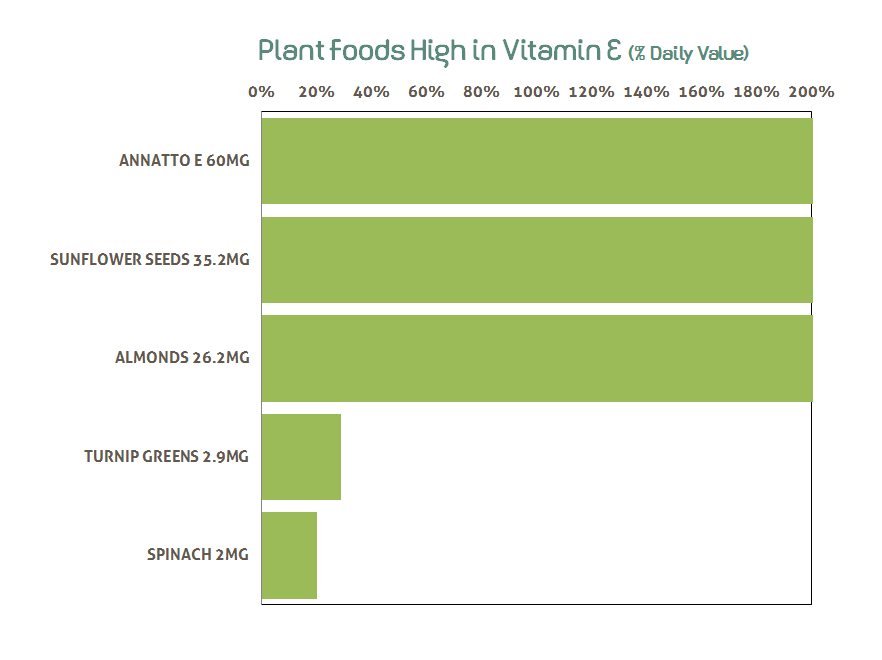
Iodine Deficiency
•"Iodine Disorders and Infertility", Letter to The Editor, Stewart, A.G., Tropical Doctor, January 1991;21(1);36-37
Iron Deficiency
•"Ferritin and Fertility," Rushton DH, Ramsay ID, Gilkes JJH, Norris MJ, Lancet, June 22, 1991;337:1554
•"Iron intake and risk of ovulatory infertility," Chavarro JE, Rich-Edwards JW, et al, Obstet Gynecol, 2006; 108(5): 1145-52
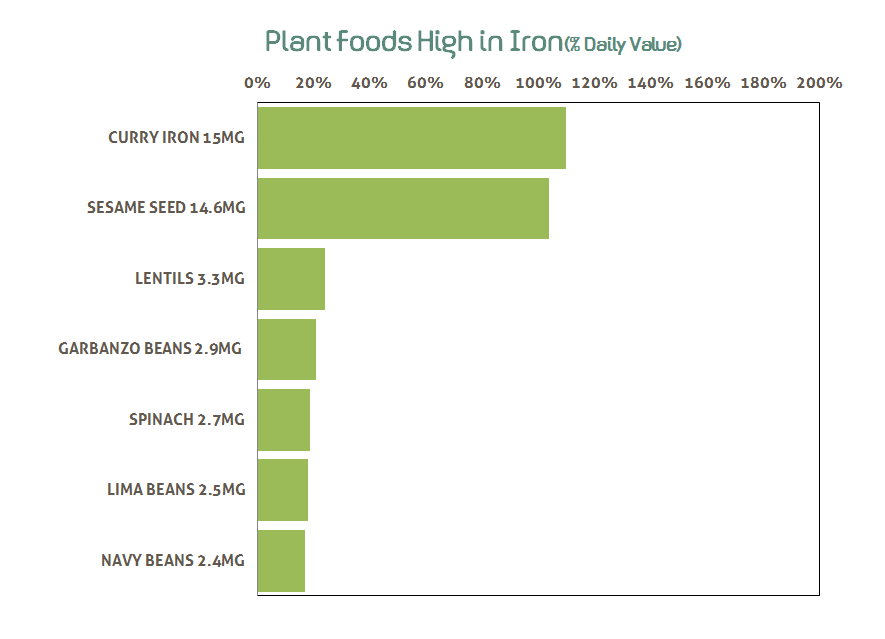
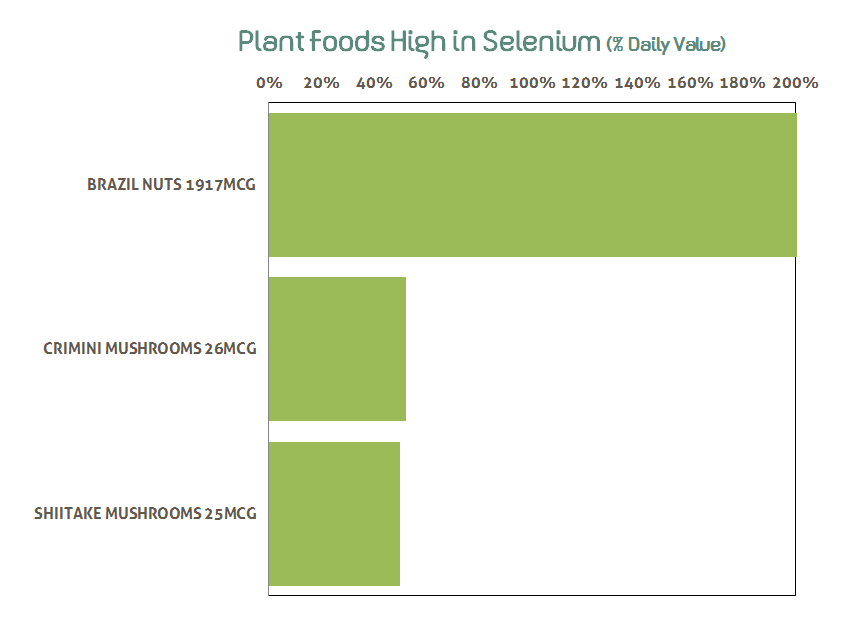
Selenium and Zinc Deficiencies
•"Zinc Status in Pregnancy: The Effect of Zinc Therapy on Perinatal Mortality, Prematurity, and Placental Ablation", Jameson, Sten, Journal of the New York Academy of Sciences, 1993;1-15
•"Zinc, Copper and Selenium in Reproduction", Bedwal, R., Experientia, July 1994;50:626-640
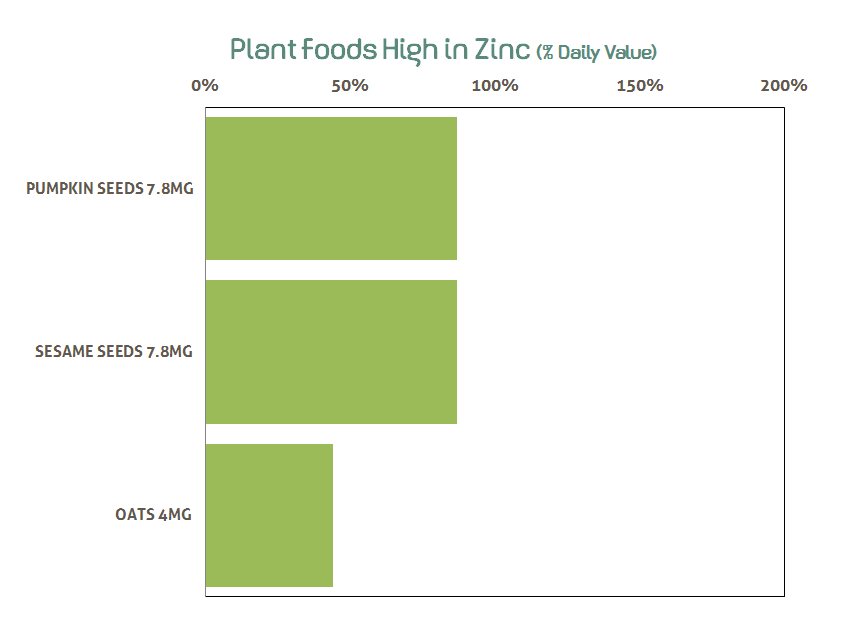
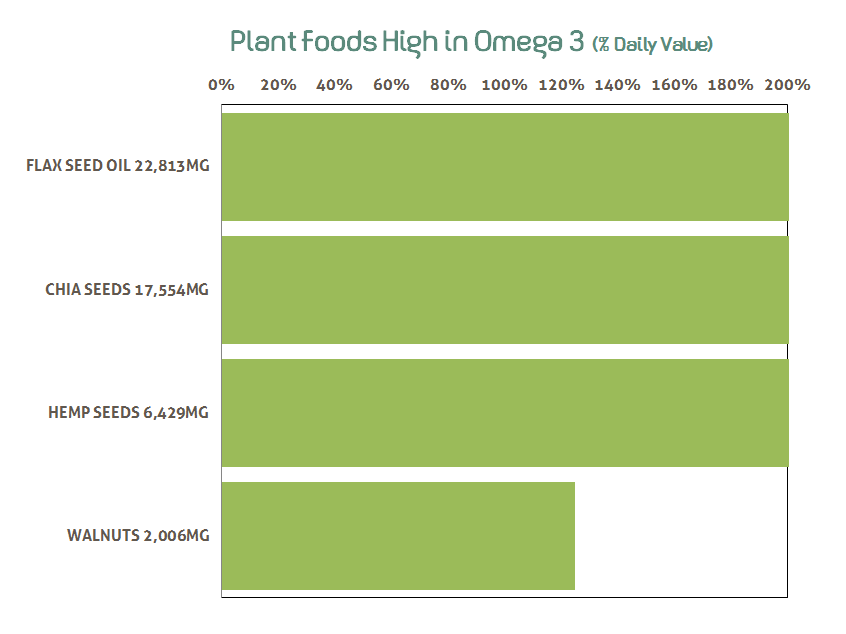
Omega 3 Deficiency
•"Oxidative stress-mediated essential polyunsaturated fatty acid alterations in female infertility," Mehendale SS, Kilari Bams AS, et al, Hum Fertil (Camb), 2009; 12(1): 28-33
•"Effects of Altering Dietary Fatty Acid Composition on Prostaglandin Synthesis and Fertility," Abayasekara DRE, Wathes DC, Prostaglandins Leukot Essent Fatty Acids, 1999;61(5):275-287
Inositol Deficiency
•"Myo-inositol in patients with polycystic ovarian syndrome: A novel method for ovulation induction," Papaleo E, Unfer V, et al, Gynecol Endocrinol, 2007; 23(12): 700-3
•"Effect of a supplementation with myo-inositol plus melatonin on oocyte quality in women who failed to conceive in previous in vitro fertilization cycles for poor oocyte quality: a prospective, longitudinal, cohort study," Unfer V, Raffone E, et al, Gynecol Endocrinol, 2011 April 5
Trans Fat Excess
•"Dietary fatty acid intakes and the risk of ovulatory infertility," Chavarro JE, Rich-Edwards JW, et al, Am J Clin Nutr, 2007; 85(1): 231-237
Plant Proteins
•"Protein intake and ovulatory infertility," Chavarro JE, Willett WC, et al, Am J Obstet Gynecol, 2008; 198(2): 210.e1-7
Gluten Sensitivity
•"Untreated Celiac Disease With Bad Outcome of Three Pregnancies Followed by a Fourth Normal Pregnancy After Two Years of Gluten-Free Diet," De Sandre, Giorgio, American Journal of Gastroenterology, December, 1996;2653
Dairy Intake
•"A prospective study of dairy foods intake and anovulatory infertility," Chavarro JE, Willett WC, et al, Human Reproduction, 2007 Feb 28
•"Fertility", Nutrition Week, September 29, 1995;7/Alternative and Complimentary Therapies, 1995;June-July;1(4):261
•"Milk May Impair Fertility in Women", Science News, March 12, 1994;175
•"Adult Hypolactasia, Milk Consumption, and Age-Specific Fertility", Cramer, Daniel W., et al, American Journal of Epidemiology, 1994;139(3):282-289
Associated Conditions
Autoimmune Disorders
•"Autoimmunity and Reproduction," Geva, Eli, M.D., et al, Fertility and Sterility, 1997;67(4):599-611
•"Presence of Thyroid Antibodies in Early Reproductive Failure: Biochemical Versus Clinical Pregnancies", Singh, Anita, M.D., et al, Fertility and Sterility, February 1995;63(2):277-281
Gynecological Disorders
•"Infertility: An International Health Problem", Sciarra, J., et al, International Journal of Gynecology and Obstetrics, 1994;46:155-163
•"The Role of Humoral Immunity in Endometriosis", Gleicher, Norbert, ACTA Obstet Gynecol Scand, 1994;Suppl. 159:15-17
•"Therapeutic effects of calcium & vitamin D supplementation in women with PCOS," Firouzabadi RD, Aflatoonian A, et al, Complement Ther Clin Pract, 2012 May; 18(2):85-8
Obesity
•"Fat and Female Fecundity: Prospective Study of Effect of Body Fat Distribution on Conception Rates", Zaadstra, Boukje M., et al, British Medical Journal, February 20, 1993;306:484-487
Recreational Drugs
•"Infertility and the Use of Illicit Drugs", Weinberg, Clarice R., M.D., Epidemiology, May 1990;1(3):189-191
•"Recreational Drug Use and The Risk of Primary Infertility", Mueller, Beth A., et al, Epidemiology, May 1990;1(3):195-200
Occupational Exposure
•"Reduced Fertility Among Women Employed as Dental Assistants Exposed to High Levels of Nitrous Oxide", Rowland, Andrew S., Ph.D., et al, New England Journal of Medicine, October 1, 1992;327(14):993-997
•"Study Suggests Potential Dangers of Chemical Exposure", California Veterinarian, November/December 1989;25
•"Spontaneous Abortions Among Cosmetologists", John, Esther M., et al, Epidemiology, 1994;5:147-155
•"Exposure to Toluene in the Printing Industry Is Associated With Subfecundity in Women But Not in Men," Plenge-Bonig A and Karmaus W, Occup Environ Med, 1999;56:443-448
•"Occupational Exposures and Risk of Female Infertility," Smith, E. M., et al, Journal of Occupational and Environmental Medicine, 1997;39:138-147
•"Spontaneous Abortion in Dry Cleaning Workers Potentially Exposed to Perchloroethylene," Doyle, Pat, et al, Occupational and Environmental Medicine, 1997;54:848-853
Environmental Exposure
•"Environment and Infertility," Environmental Health Prospectives, February 1996;104(2):136-137.
•"Prolonged Exposure to Wood Preservatives Induces Endocrine and Immunologic Disorders in Women", Gerhard, Ingrid, M.D., et al, American Journal of Obstetrics and Gynecology, August 1991;165(2):487-488
•"Fish Consumption and Reproductive Outcomes in Green Bay, Wisconsin," Dar, Ellen, et al, Environmental Research, 1992;59:189-201
•"Parental Consumption of Contaminated Sport Fish From Lake Ontario and Predicted Fecundability," Buck GM, Vena JE, Schisterman EF, et al, Epidemiology, July 2000;11(4):388-393
Developmental Toxicity
•"Issues of Human Exposure to Agents Causing Developmental Toxicity", Tabacova, Sonia and Vukov, Mircho, Cong. Anom., 1992;32(Suppl.):S21-S30
Heavy Metal Exposure
•"Heavy Metals and Fertility," Gerhard I, et al, J Toxicol Environ Health, 1998;54(Part A):593-611
Cigarette Smoking
•"Adult and Prenatal Exposures to Tobacco Smoke as Risk Indicators of Fertility Among 430 Danish Couples," Jensen TK, et al, Am J Epidemiol, 1998;148(10):992-997
•"Effects of Cigarette Smoking, Caffeine Consumption, and Alcohol Intake on Fecundability," Curtis, Kathryn M., et al, American Journal of Epidemiology, 1997;146(1):32-41
•"Adult and Prenatal Exposures to Tobacco Smoke as Risk Indicators of Fertility Among 430 Danish Couples," Jensen TK, et al, Am J Epidemiol, 1998;148(10):992-997
•"Cigarette Smoking Accelerates the Development of Diminished Ovarian Reserve as Evidenced by the Clomiphene Citrate Challenge Test", Sharara, Fady I., M.D., et al, Fertility and Sterility, August 1994;62(2):257-262
•"Effects of Age, Cigarette Smoking, and Other Factors on Fertility: Findings in a Large Prospective Study," Howe G, Westhoff C, Vessey M, Yeates D, Br Med J, June 8, 1985;290:1697-1700
Caffeine Excess
•"Relation of Female Infertility to Consumption of Caffeinated Beverages," Grodstein F, Goldman MB, Ryan L, Cramer DW, Am J Epidemiol, 1993;137(12):1353-1360
Tannic Acid Excess
•"Caffeine and Infertility," Cramer DW, Lancet, March 31, 1990;335:792-793
•"Caffeine Intake and Delayed Conception: A European Multicenter Study on Infertility and Subfecundity," Bolumar, F., et al, The American Journal of Epidemiology, 1997;145(4):324-334
•"Caffeine Intake and Fecundability: A Follow-up Study Among 430 Danish Couples Planning Their First Pregnancy," Jensen TK, Henriksen TB, Hjollund NHI, et al, Reprod Toxicol, 1998;12(3):289-295
Free Radical Damage
•"Role of Free Radicals in Female Reproductive Diseases and Assisted Reproduction," Agarwal A, Allamaneni SSR, Reprod Biomed Online, 2004;9(3):338-347
•"Antioxidant Enzymatic Defenses in Human Follicular Fluid: Characterization and Age-Dependent Changes,"Carbone MC, Tatone C, et al, Mol Hum Repro, 2003;9(11):639-643
Herbs
Vitex Agnus Castus
•"Multiple Follicular Development Associated With Herbal Medicine," Cahill DJ, Fox R, Wardle PG, Harlow CR, Hum Reprod, 1994;9(8):1469-1470
•"Mastodynon(R) bei Weiblicher Sterilitat," Gerhard II, Patek A, Monga B, Blank A, Gorkow C, Forsch Komplementarmed, 1998;5(6):272-278
Other Herbs
- Angelica sinensis (Dong quai): normalizes menstrual cycle, best used from ovulation to menses
- Borago officinalis (Borage): high in gamma-linolenic acid: anti-inflammatory properties, considered to be hormonally active and an adrenal tonic
- Helonias dioica (False unicorn): uterine and pelvic organ tonic
- Rubus idaeus (Raspberry): uterine tonic; may be used in combination with Trifolium pratense (Red clover) and Urtica spp.
- Trifolium pretense (Red clover): nutritive herb able to alkalinize body and vaginal mucus
- Urtica dioica (Stinging nettle) : nutritive
- Vitex agnus castus (Chastetree): acts on diencephalo-hypophyseal system to increase LH and decrease FSH; promotes corpus luteum and progesterone
- consider:
- Eleutherococcus senticosus
- Glycyrrhiza glabra
- Serenoa repens
- Smilax sarsaparilla
- Turnera aphrodisiaca
DHEA
•"DHEA supplementation improves follicular microenviroment in poor responder patients," Artini PG, Simi G, et al, Gynecol Endocrinol, 2012 Jul 26
•"Dehydroepiandrosterone supplementation increases baseline follicular phase progesterone levels," Weissman A, Horowitz E, et al, Gynecol Endocrinol, 2011 April 18
Acupuncture
•"Changes in serum cortisol and prolactin associated with acupuncture during controlled ovarian hyperstimulation in women undergoing in vitro fertilization-embryo transfer treatment," Magarelli PC, Cridennda DK, et al, Fertil Steril, 2009; 92(6): 1870-9
•"Effects of acupuncture on rates of pregnancy and live birth among women undergoing in vitro fertilisation: systematic review and meta-analysis," Manheimer E, Zhang G, et al, BMJ, 2008 Feb 7
•"An exploratory study of the effect of acupuncture on self-efficacy for women seeking fertility support," Kovarova P, Smith CA, et al, Explore (NY), 2010 Sept-Oct; 6(5): 330-4
Stress
•"Mind/Body Approach May Benefit Infertility," Walsh N, Family Practice News, October 1, 2003:61
•"Psychosocial Stress as the Cause of Infertility", Wasser, Samuel K., Ph.D., et al, Fertility and Sterility, March 1993;59(3):685-689
•"The Mind-Body Program For Infertility: A New Behavioral Treatment Approach For Women With Infertility", Domar, Alice D., Ph.D., et al, Fertility and Sterility, February 1990;53(2):246-249
Frequency and Timing
•"Frequency of Intercourse For Couples Trying to Conceive", Tur-Kaspa, Ilan, et al, The Lancet, September 17, 1994;344
Summary and Suggestions
Infertility is the inability to conceive a child after 1 year of regular sexual activity without the use of birth control. Use of the IUD, hormonal dysfunction, environmental pollutants, drug abuse, and a past history of sexually transmitted diseases are often associated with the onset of infertility. Other causes of female infertility include scar tissue from pelvic inflammatory disease, endometriosis, abnormalities in the uterus or fallopian tubes, diseases of the cervix and the rest of the reproductive tract, and an allergic reaction to sperm. In about 15 to 20 percent of the cases, infertility has no observable physical cause.
If infertility is accompanied by other persistent physical problems, consult a physician. Reversing infections may also clear up infertility. It is often helpful to seek sexuality and emotional counseling for issues related to infertility.
If you have been unable to conceive children for more than a year, both you and your partner should have complete physical examinations and evaluations to rule out possible causes.
The following course of action can be used at any time during the attempt to become pregnant. This will more than likely not clash or interfere with other medical approaches to fertility and are safe.
Dietary Suggestions
- Maintain an overall healthy diet
- Use fresh foods as close to the natural state as possible
- Avoid prepackaged and processed foods
- Eat daily servings of leafy green vegetables, whole grains (such as brown rice and rolled oats), fresh fruit, and proteins with a minimum of animal fat
- Avoid sugars (such as in pastries and candy) and refined carbohydrates (such as white bread and white rice).
- Drink at least 8 cups of fluids daily
- Emphasis in cases of infertility should be put on avoiding artificial colorings and flavors commonly added to food
- Read the labels and become acquainted with the product content
- Avoid caffeine-containing foods such as coffee, tea, sodas, and sweetened chocolate
- Avoid trans fats, gluten foods, and dairy products
- Use organic foods where possible and avoid animal products that may contain DES residues and other chemicals
- Sesame seeds, tahini, pumpkin seeds, seed and nut butters, lecithin, oatmeal, dates, ocean fish, kelp, dulse, other seaweeds, elderberries, garlic, parsley, scallions, black beans, kidney beans, yams, lycium fruit
Food Suggestions
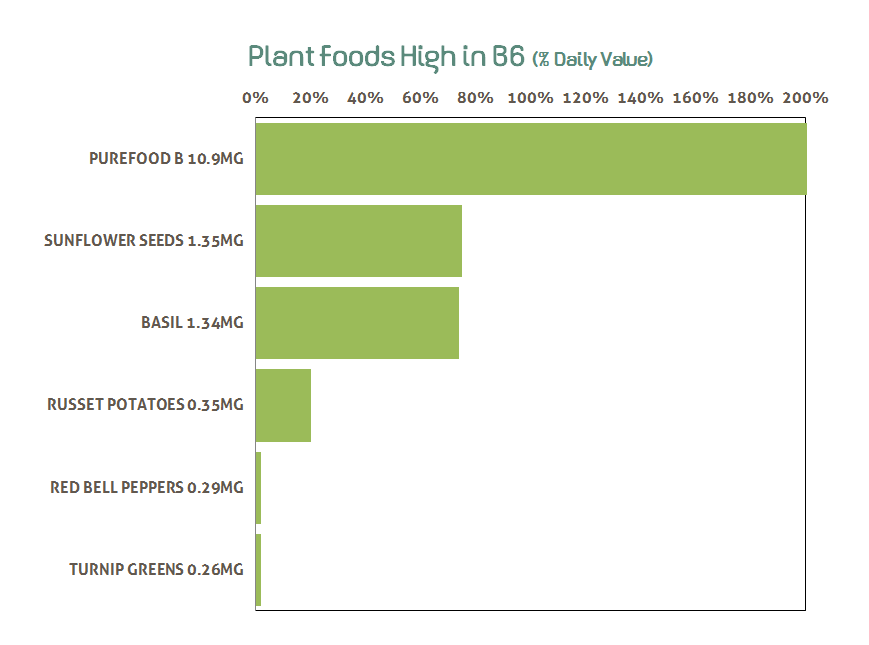
- Plant foods high in Vitamin B6 including sunflower seeds, basil, Russet potatoes, red bell pepper, turnip greens
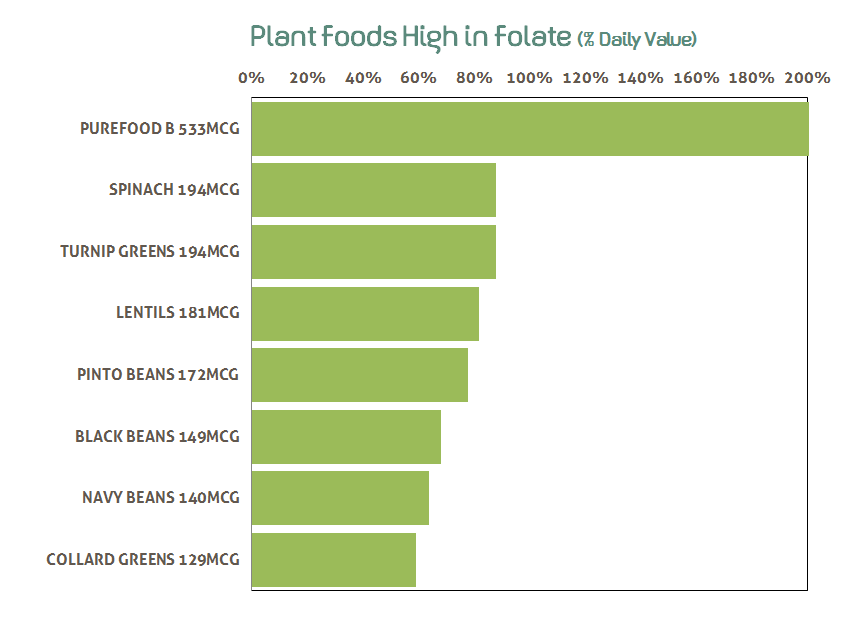
- Plant foods rich in Folic acid including spinach, turnip greens, lentils, pinto beans, black beans, navy beans, collard
- Plant foods high in Vitamin B12 including algae
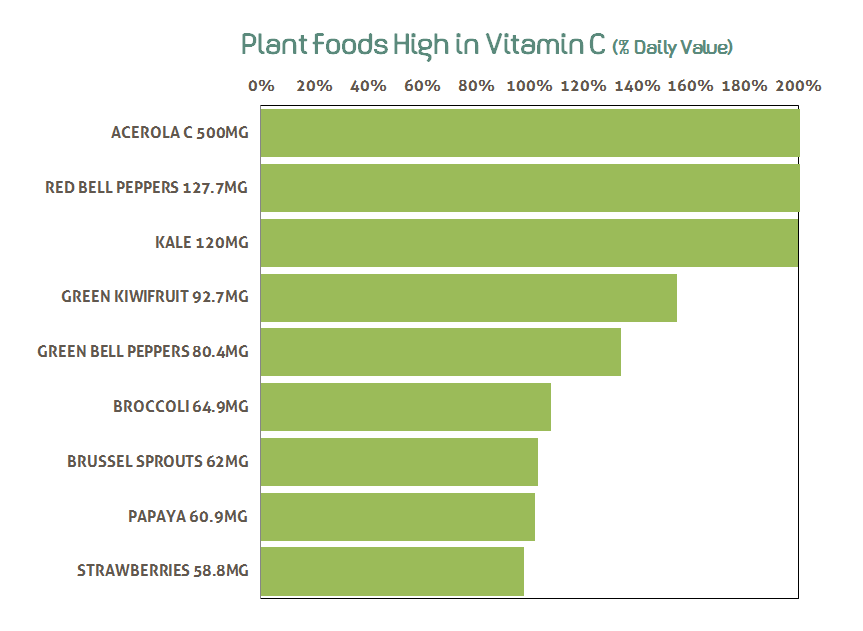
- Plant foods high in Vitamin C including red bell peppers, kale, kiwi, green bell peppers, broccoli, Brussel sprouts, papayas, strawberries
- Plant foods high in Vitamin E including sunflower seeds, almonds, turnip greens, spinach
- Plant foods high in Iodine including seaweeds
- Plant foods rich in Iron including sesame seeds, lentils, garbanzo beans, spinach, lima beans, navy beans
- Plant foods rich in Selenium including Brazil nuts, crimini and shiitake mushrooms
- Plant foods rich in Zinc including pumpkin seeds, sesame seeds, oats
- Plant foods high in Omega 3 fatty acids including flaxseeds, chia seeds, hemp seeds, walnuts
- Plant foods high in vegetarian protein including various nuts, seeds, beans, peas, and avocado
Smoothie Suggestions (serves 1)
Ingredients
- 1 cup filtered water
- 1 heaping tbsp Purefood A-Z (10 g)
- 1 scoop Curry Iron (0.6g)
- 1 scoop Purefood B (1.5 g)
- 1 scoop Acerola C (1.25 g)
- 1 scoop Annatto E (0.6 g)
- 1 tsp organic raw chia seeds (6 g)
- 2 tsp organic raw pumpkin seeds seeds (8.6 g)
- 1 medium organic apple (125 g)
- 1 heaping tsp raw cacao (5.8 g)
Directions
Wash the apple and cut into medium pieces. Combine all ingredients in a blender and blend until smooth. Drink slowly and enjoy
Substitutions
- Organic non citrus fruit juices to replace water for taste
- Organic raw flaxseed to replace chia seeds for omega fatty acid
- Organic sesame seeds or walnuts to replace pumpkin seeds (for zinc
- Fresh organic pear or banana to replace apple for fiber, nutrients and flavor

Juice Suggestions
Ingredients
- 2 medium organic carrots (256g)
- 1/2 organic organic cucumber (215g)
- 1 cup organic organic spinach (30g)
- 1 tsp organic lemon juice
- 1/4 organic parsley (15g)
Directions
Wash produce well. Cut produce into small enough peices to feed through your juicer. Juice, combine, drink slowly and enjoy!
Substitutions
- Organic beets to replace carrots
- Organic Swiss chard or turnip greens to replace spinach

Salad Suggestions
Ingredients
- 1 cup organic spinach (30g)
- 1/4 (20g) wakame soaked in water- equals 1/2 cup (40g)
- 1/2 organic red bell pepper, sliced (120g)
- 1/4 c organic hemp seeds (52g)
- 1/2 organic shiitake mushrooms (110g)
Directions
Wash spinach well and tear into bite size pieces. Lightly steam shiitake mushrooms for 2 minutes. Soak wakame until doubled in size, rinse well. In a medium bowl toss spinach, sliced red pepper, shiitake mushrooms, seaweed and seeds. Top with salad dressing below.
Substitutions
- Walnuts to replace hemp seeds

Salad Dressing Suggestions
Ingredients
- 1 tbsp (15g) organic tahini
- 2 tsp organic apple cider vinegar
- 1 garlic clove (3g)
- 1 tbsp gluten free tamari
Directions
In a small bowl, whisk together tahini, tamari, lemon and crushed garlic until well combined. You may also combine all ingredients in a blender. Serve on fresh salad and enjoy.
Substitutions
- Substitute apple cider vinegar for fresh lemon juice

Soup Suggestions (serve 2)
Ingredients
- 1 cup organic dried adzuki beans, rinsed(230g)
- 2 cup organic kale (143g)
- 1 cup organic yams, chopped (136g)
- 1 cup organic turnip, chopped (130g)
- 1 tbsp organic ginger, minced (6g)
- 2 cloves organic garlic (6 g)
- 1 tbsp organic virgin coconut oil(13.5g)
- 1 tsp Himalayan sea salt
- 1 tsp turmeric, ground
- 1 tsp kelp (for cooking beans)
- 2 stalks organic celery (170g)
- 1 small onion, chopped (60g)
- 1 cup cooked millet (175g)
Directions
Heat the oil in a large saucepan over medium heat until shimmering, about 3 minutes. Add the celery, onion, turnips and yams and cook, stirring occasionally, until the vegetables have softened, about 10 minutes. Stir in the garlic and cook until fragrant, about 1 minute. Add the water, Spices, salt, ginger garlic and adzuki beans, and stir to combine. Cover and bring to a simmer, about 15 minutes. Once simmering, reduce the heat to low and continue simmering, covered, until the lentils and vegetables are soft, about 20 minutes more. Serve with millet.
Substitutions
- Organic kale to replace spinach
 Herbal Tea Suggestions
- Steep 1/2 ounce of Red Clover blossoms, 1/2 ounce of Raspberry leaves, and 2 teaspoons of Peppermint leaves in a quart of boiling water for 20 minutes. Drink 1 or more cups per day for several months.
Stress Management Suggestions
Stress Reduction is essential – You may not be able to eliminate stressful situations in your life (such as a busy schedule or a stressful relationship), but you can learn to cope better with the stress by following these guidelines:
- Regular physical exercises – at least 30 minutes 3 times per week.
- Relaxation exercises – 20 minutes once a day. Tapes can be purchased at one of your local bookstores. Yoga, practiced on regular basis, can serve the same purpose.
- Deep Breathing – most of us tend to hold our breath or breathe shallow breaths during stressful situations. This can cut down the amount of oxygen available to the body with every breath. Try to have a few 1 minute intervals of breathing and relaxation during the day. At these times, pay special attention to relaxing your shoulder muscles and breathing deeply.
When the body and mind is in a reactive or sympathetic mode, large amounts of excitatory catecholamines (including epinephrine, norepinephrine and cortisol) are released which can aggravate the condition leading to hyperactivity, restlessness, insomnia, anxiety, fear and even panic attacks. Breathing and breathing exercises becomes very important to shift from reactive sympathetic state to a parasympathetic and calm state. Being aware of your breathing pattern (especially when you hold your breath or breathing fast), practice slow and regular breathing, having a good sitting or standing posture, avoid multi-tasking and slowing down your pace would greatly reduce your stress hormones and neurotransmitters.
Stress reaction leads to the release of cortisol from the adrenal glands along with sex hormones including estrogen and testosterone. These fluctuating levels can worsen your condition. In order to regulate adrenal function:
- Maintain regular sleep/wake cycles; this will coincide with a healthy glandular rhythm (your internal clock)
- Get adequate sleep every night; lack of sleep with lower your stress tolerance and induce stress hormones
- Eat 4 regular meals a day (3 meals and a snack) including a complex carbohydrate and/or protein at each meal
- Exercise only during the day; exercise in the evening can disrupt your sleep cycle and cause insomnia
- Praying, meditating, reading and taking a bath in the evening helps to slow down your mind and body before bed
- Watching TV, emailing, playing video games, and socializing are not considered relaxation and may disturb sleep
- Staying positive, being grateful and compassionate, and enjoying a good laugh each day also helps
Other Suggestions
- Reduce your weight if you are obese (greater than 25% of your ideal weight)
- Avoid using recreational drugs, alcohol, caffeine, cigarette smoking
- Avoid occupational and environmental exposure to PCB, wood preservatives, heavy metals (amalgam fillings, fish consumption), nitrous oxide, organic compounds, dust, pesticides, radiation, video display terminals, cosmetics, toluene, paints, dry cleaning chemicals
Naturopathic Medicine
See your local naturopathic doctor about addressing the following:
- Check your FSH (follicular stimulating hormone) and LH (luteinizing hormones) to be sure that you’re in range
- Check your thyroid panel including TSH, free T4, free T3, rT3 and Anti-thyroid peroxidase for thyroid function
- Check your adrenal function including a 4 point cortisol test
- If your hormones are normal and you still cannot conceive, do a comprehensive hormonal test through Meridian Valley Laboratory
- Gynecological condition including pelvic inflammatory disorder, endometriosis, ectopic pregnancy, polycystic ovarian syndrome
- Rule out autoimmune diseases, occupational and environmental exposures, heavy metal toxicity, etc.
- Use of DHEA and other medications
- Using any of the herbs listed above including:
- Sometimes, infertility involves a history of repeated miscarriages. If there is persistent cramping or bleeding, indicating a threatened miscarriage, call your physician and take the following mixture. Simmer in 1 quart of water for 20 minutes: 1 ounce of Wild Yam Root, 1 ounce of Squaw Vine Leaf, and 1 ounce of Cramp Bark. Take 1/4 cup every 4 hours until symptoms cease.
- False Unicorn Root is used as a uterine tonic – 15 to 20 drops of the tincture per day. If there is a problem with repeated miscarriages, 3 drops of the tincture 5 times per day are taken during the entire first trimester.
- A wide range of homeopathic medicines can be helpful for individuals with infertility. Consultation with a health care professional trained in homeopathic prescribing will usually be the best way to select the correct medicine.
- Detoxification that may including juicing, sauna, and chelation therapies.
Click “Ask the Doctor”
References
www.whfoods.org
www.nutritiondata.self.com
www.ndb.nal.usda.gov/ndb/foods/list
www.vitasearch.com
This article is for educational purposes only. This information has not been evaluated by Health Canada nor the Food and Drug Administration. This information is not intended to diagnose, treat, cure, or prevent any disease
|