Definition
Male infertility is the inability to fertilize an ovum. (Sterility is lack of or decreased sperm production.)Infertility is the inability to conceive a child after 1 year of regular sexual activity without the use of birth control. Fecundability, the probability that a couple will get pregnant, will depend on the health of the female partner as well. See “Infertility, Female” also.
Causes
Infertility affects 15% of married couples today and appears to be increasing. In couples with a chief complaint of infertility, the male is infertile 40% of the time. Three factors are involved in a male being fertile:
-
Adequate spermatozoa production in the testes: This may be impaired by environmental toxins (such as environmental chemicals, radiation, drugs, heavy metal exposure, and pollution); varicocele; undescended testis/testes; infectious disease sequelae; and endocrine diseases affecting the hypothalamic-pituitary-gonadal axis.
-
Clear seminal tract: Obstruction of the tract will decrease or stop the passage of sperm from the testes to the urethra for ejaculation. This may occur from congenital abnormalities; infection of the epididymis, testes, seminal vesicles, urethra, prostate, or vasa; urethral stricture.
-
Normal passage of sperm into the vagina: This might become abnormal due to surgical procedures; premature ejaculation before intromission; structural abnormalities of the female genital organs etc.
Diet and Nutrition
Carotene Deficiency
•"Changes in Various Antioxidant Levels in Human Seminal Plasma Related to Immuno-infertility," Palan, P. and Naz, R., Archives of Andrology, 1996;3612:139-143
Folic Acid Deficiency
•"Folinic Acid in the Treatment of Human Male Infertility," Bentivoglio G, Melica F, Cristoforoni P, Fertil Steril, October 1993;60(4):698-701.
Vitamin B12 Deficiency
•"Prevalence of low serum cobalamin in infertile couples," Pront R, Elstein D, et al, Andrologia, 2009; 41(1): 46-50

Vitamin C Deficiency
•"Improvement in human semen quality after oral supplementation of vitamin C," Akmal M, Qadri JQ, et al, J Med Food, 2006; 9(3): 440-2
•"Daily Vitamin C Protects Sperm From Genetic Damage", Medical Tribune, January 16, 1992;23
•"Effect of Ascorbic Acid Supplementation on the Sperm Quality of Smokers", Dawson, Earl B., Ph.D., et al, Fertility and Sterility, November 1992;58(5):1034-1039
Vitamin E Deficiency
•"Sperm Oxidative Stress and the Effect of an Oral Vitamin E and Selenium Supplement on Semen Quality in Infertile Men," Keskes-Ammar L, Feki-Chakroun N, Rebai T, et al, Arch Androl, 2003;49:83-94
•"[Efficacy of natural vitamin E on oligospermia and athenospermia: a prospective multi-centered randomized controlled study of 106 cases]", Chen XF, Li Z, et al, Zhonghua Nan Ke Xue, 2012 May; 18(5):428-31
•"The Effect of Antioxidant Treatment on Human Spermatozoa and Fertilization Rate in an In Vitro Fertilization Program," Geva E, Bartoov B, Zabludovsky N, et al, Fertil Steril, September 1996;66(3):430-434
Selenium Deficiency
•"Selenium-vitamin E supplementation in infertile men: effects on semen parameters and pregnancy rate," Moslemi MK, Tavanbakhsh S, et al, Int J Gen Med, 2011 Jan 23; 4:99-104
•"Selenium and Fertility in Men", Krsnjavi, H., et al, Trace Elements in Medicine, 1992;9(2):107-108
Zinc Deficiency
•"The Role of Zinc in Reproduction: Hormonal Mechanisms", Favier, Alain-Emile, Biological Trace Element Research, 1992;32:363-382
•"Trace Elements in the Seminal Plasma of Normospermic, Oligospermic and Azoospermic Males," Verma A and Kanwar KC, Trace Elements and Electrolytes, 1999;16(3):135-136
•"Inter-Relationship of Zinc Levels in Serum and Semen in Oligospermic Infertile Patients and Fertile Males," Mohan H, Verma J, Singh I, et al, Indian J Pathol Microbiol, October 1997;40(4):451-455
Omega 3 Deficiency
•"Relationship of omega-3 and omega-6 fatty acids with semen characteristics, and anti-oxidant status of seminal plasma: A comparison between fertile and infertile men," Safarinejad MR, Hosseini SY, et al, Clin Nutr, 2009 Aug 8
•"The Role of Free Oxygen Radicals and Sperm Function," Aitken RJ, Intern J Androl, 1989;12:95-97
Glutathione Deficiency
•"Glutathione Therapy for Male Infertility", Lenzi, A., et al, Archives of Andrology, 1992;29:65-68
•"Placebo-Controlled, Double-Blind, Cross-Over Trial of Glutathione Therapy in Male Infertility", Lenzi, A., et al, Human Reproduction, 1993;8(10):1057-1062
•"Glutathione in Spermatozoa and Seminal Plasma of Infertile Men," Ochsendorf, Falk R., et al, Human Reproduction, 1998;13(2):353-359
Comment: Oral administration of glutathione is not effective as the absorption rate is less than 5%. Glutathione can be administered intra-muscularly or intra-venously.
Nitric Oxide Deficiency
•"Nitric Oxide Synthase and Nitrite Production in Human Spermatozoa: Evidence That Endogenous Nitric Oxide Is Beneficial to Sperm Motility," Lewis SEM, Donnelly ET, Sterling ESL, et al, Mol Hum Reprod, 1996;2(11):873-878
•"Studies on Arginine in Human Semen: Part II. The Effects of Medication With L-Arginine-HCL on Male Infertility," Tanimura J, Bull Osaka Med School, 1967;13:84-89
•"Treatment of Oligospermia With the Amino Acid Arginine," Schachter A, Goldman JA, Zukerman Z, J Urol, September 1973;110:311-313
CoQ10 Deficiency
•"Coenzyme Q10 improves seminal oxidative defense but does not affect semen parameters in Idiopathic Oligoasthenoteratozoospermia: a Randomized Double- blind, Placebo Controlled Trial," Nadjarzadeh A, Sadeghi MR, et al, J Endocrinol Invest, 2011 March 7
•"Effects of the Reduced Form of Coenzyme Q10 (Ubiquinol) on Semen Parameters in Men with Idiopathic Infertility: a Double-Blind, Placebo Controlled, Randomized Study," Safarinejad MR, Safarinejad S, et al, J Urol, 2012 Jun 13
•"Coenzyme Q10 and oxidative stress markers in seminal plasma of Iraqi patients with male infertility," Abdul-Rasheed OF, Al-Nasiri US, et al, Saudi Med J, 2010; 31(5): 501-6
N-Acetylcysteine Deficiency
•"Effects of N-acetylcysteine on semen parameters and oxidative/antioxidant status," Ciftci H, Erel O, et al, Urology, 2009; 74(1): 73-6
Carnitine Deficiency
•"Effect of L-carnitine and/or L-acetyl-carnitine in nutrition treatment for male infertility: a systematic review," Zhou X, Liu F, Zhai S, Asia Pac J Clin Nutr, 2007; 16 Suppl: 383-90
•"Use of Carnitine Therapy in Selected Cases of Male Factor Infertility: A Double-Blind Crossover Trial," Lenzi A, Lombardo F, et al, Fertil Steril, February 2003;79(2):292-300
•"[L-carnitine: safe and effective for asthenozoospermia]," Wang YX, Yang SW, et al, Zhonghua Nan Ke Xue, 2010 May; 16(5): 420-2
Other Antioxidant Deficiencies
•"The role of antioxidant therapy in the treatment of male infertility," Agarwal A, Sekhon LH, Hum Fertil (Camb), 2010 Dec; 13(4): 217-25
•"A systematic review of the effect of oral antioxidants on male infertility," Ross C, Morriss A, et al, Reprod Biomed Online, 2010 March 10
•"Mechanisms of male infertility: role of antioxidants," Sheweita SA, Tilmisany AM, et al, Curr Drug Metab, 2005; 6(5): 495-501
•"Reduction of the incidence of sperm DNA fragmentation by oral antioxidant treatment," Greco E, Iacobelli M, et al, J Androl., 2005; 26(3): 349-53
•"Superoxide Anion in Human Semen Related to Seminal Parameters and Clinical Aspects", Mazzilli, Fernando, M.D., et al, Fertility and Sterility, October 1994;62(4):862-868
•"High endogenous melatonin concentrations enhance sperm quality and short-term in vitro exposure to melatonin improves aspects of sperm motility," Ortiz A, Rodriguez AB, et al, J Pineal Res, 2010, Oct 21
Herbs
•"Astragalus Membranaceus Stimulates Human Sperm Motility In Vitro," Hong CY, Ku J, Wu P, Am J Chinese Med, 1992;20(3-4):289-294
•"Effects of Panax Ginseng C.A. Meyer Saponins on Male Fertility," Salvati G, Genovesi G, Marcellini L, et al, Panminerva Med, December 1996;38(4):249-254
•"Reactivation of the Secretion From the Prostatic Gland in Cases of Reduced Fertility: Biological Study of Seminal Fluid Modifications," Lucchetta G, Weill A, Becker N, et al, Urol Int, 1984;39:222-224
Other Herbs
- Avena sativa (Oat): nutritive
- Chamaelirium luteum (Helonias): reproductive tonic
- Cimicifuga racemosa (Black cohosh): strengthens reproductive organs
- Cucurbita pepo (Summer squash): provides zinc
- Panax ginseng: depressive states associated with sexual inadequacy, may have aphrodisiac qualities. May use with Turnera diffusa and Serenoa spp. in glandular weakness
- Serenoa serrulata (Saw palmetto): sex hormone disorders, tones reproductive organs, testicular atrophy, impotence
Stress
•"Mind/Body Approach May Benefit Infertility," Walsh N, Family Practice News, October 1, 2003:61
•"Infertility Treatment Includes Emotional Care," Zwillich, Todd, Family Practice News, September 15, 1997;50
Toxic Exposure
Environmental Exposure
•"Environment and Infertility," Environmental Health Prospectives, February 1996;104(2):136-137
•"Environmental Infertility Link Seen", Johnson, Kate, Medical Tribune, Oct. 20, 1994;7
•"Pollutants Blamed for Steady Decline in Sperm Counts, Ejaculate Volume", Hurley, Dan, Medical Tribune, October 8, 1992;14
•"Phthalate Exposure and Human Semen Parameters," Duty SM, Silva MJ, et al, Epidemiology, May 2003;14(3):269-277
•"Semen Quality After Prenatal Exposure to Polychlorinated Biphenyls and Dibenzofurans," Guo YL, Hsu P-C, et al, Lancet, October 7, 2000;356:1240-1241
•"Environmental Organochlorines and Semen Quality: Results of a Pilot Study," Hauser R, Altshul L, et al, Environ Health Perspect, 2002;110:229-233.
Aflatoxin Exposure
•"Dietary Exposure to Aflatoxin in Human Male Infertility in Benin City, Nigeria", Ibeh, I.N., et al, International Journal of Infertility, 1994;39(4):208-214
Exercise Excess
•"Exercise and Male Factor Infertility", Arce, Joan Carles and De Souza, Mary Jane, Sports Medicine, 1993;15(3):146-169
Alcohol Consumption
•"Spontaneous Recovery From Ethanol-Induced Male Infertility," Anderson RA Jr, Willis BR, Oswald C, Alcohol, 1985;2:479-484
•"Ethanol, a Leydig Cell Toxin: Evidence Obtained In Vivo and In Vitro," Van Thiel DH, Gavaler JS, Cobb CF, et al, Pharmacol Biochem Behav, 1983;18(Suppl. 1):317-323
Heavy Metal Exposure
•"Blood Concentrations of Lead, Cadmium, Mercury, Zinc, and Copper and Human Semen Parameters," Chia S-E, Ong CN, et al, Arch Androl, 1992;29:177-183
•"Cadmium, Lead, Selenium and Zinc in Semen of Occupationally Unexposed Men," Noack-Fuller, G., et al, Andrologia, 1993;25:7-25
•"Fertility of Male Workers Exposed to Cadmium, Lead or Manganese", Gennart, Jean-Philippe, American Journal of Epidemiology, 1992;135:1208-1219
•"Trace Elements in Blood and Seminal Plasma and their Relationship to Sperm Quality", Xu, Bo, et al, Reproductive Toxicology, 1993;7:613-618
Cadmium Exposure
•"Effect of Cadmium and Cigarette Smoking on Human Semen Quality", Chia, S.E., MSc., et al, International Journal of Fertility, 1994;39(5):292-298
•"Lead and Cadmium Concentration in the Seminal Plasma of Men in the General Population: Correlation With Sperm Quality," Pant N, Upadhyay G, et al, Reprod Toxicol, 2003;17:447-450
Lead Exposure
•"Pternal Exposure to Lead and Infertility," Sallmen M, Lindbohm M-L, Nurminen M, Epidemiology, March, 2000;11(2):148-152
•"Seminal Lead and Copper in Fertile and Infertile Men", Jockenhovel, F., et al, Andrologia, 1990;22:503-511
•"Lead Exposure and Semen Quality Among Traffic Police in Arequipa, Peru," Eibensteiner L, Del Carpio Sanz A, et al, Int J Occup Environ Health, April/June 2005;11(2):161-166
Mercury Exposure
•"Infertility, Blood Mercury Concentrations and Dietary Seafood Consumption: A Case-Control Study," Choy CMY, Lam CWK, et al, Br J Obstet Gynaecol, October 2002;109:1121-1125
Phytoestrogen and Xenoestrogen Excess
•"Male Reproductive Health and Environmental Estrogens", Editorial, The Lancet, April 15, 1995;345:933-935
•"Soy food and isoflavone intake in relation to semen quality parameters among men from an infertility clinic," Chavarro JE, Hauser R, et al, Hum Reprod, 2008 Jul 23
•"Is Milk Responsible for Male Reproductive Disorders?" Ganmaa D, Wang PY, Qin LQ, et al, Med Hypotheses, 2001;57(4):510-514
Electromagnetic Field Exposure
•"Reproductive and Teratologic Effects of Electromagnetic Fields", Brent, Robert L., Reproductive Toxicology, 1993;7:535-580
•"Effect of Electromagnetic Field Exposure on Spermatogenesis and Sexual Activity," Shafik A, Asian J Androl, 2005;7(1):106
Radiant Heat Exposure
•"Heat Exposure as a Hazard to Male Fertility," Thonneau, Patrick, et al, The Lancet, January 20, 1996;347:204-205
•"Occupational Heat Exposure and Male Fertility: A Review," Thonneau P, et al, Hum Reprod, 1998;13(8):2122-2125
Cigarette Exposure
•"Effects of Cigarette Smoking, Caffeine Consumption, and Alcohol Intake on Fecundability," Curtis, Kathryn M., et al, American Journal of Epidemiology, 1997;146(1):32-41
•"Effects of Cigarette Smoking on Human Semen Quality", Chia, S.E. and Ong, C.N., et al, Archives of Andrology, 1994;33:163-168
•"Adult and Prenatal Exposures to Tobacco Smoke as Risk Indicators of Fertility Among 430 Danish Couples," Jensen TK, et al, Am J Epidemiol, 1998;148(10):992-997
Pesticide Exposure
•"High Sperm Density Among Members of Organic Farmers' Association", Abell, Annette, et al, The Lancet, June 11, 1994;343:1498
•"Environmental Exposure to p,p'-DDE and Human Fertility," Cocco PL, Bull Environ Contam Toxicol, 1997;59:677-680
•"Occupational Pesticide Exposure and Semen Quality Among Chinese Workers," Padungtod C, Savitz DA, Overstreet JW, et al, J Occup Environ Med, October 2000; 42(10): 982-992
Occupational Exposure
•"Reproductive Hazards of Fire Fighting I. Nonchemical Hazards", Agnew, Jacqueline, R.N., Ph.D., et al, American Journal of Industrial Medicine, 1991;19:433-445
•"Exposure to Ethylene Glycol Ethers and Spermatogenic Disorders in Man: A Case-Controlled Study", Veulemans, H., et al, British Journal of Industrial Medicine, 1993;50:71-78
•"Occupational Reproductive Hazards," Paul, Maureen, The Lancet, May 10, 1997;349:1385-1388
•"Occupational Exposure to Solvents and Male Infertility," Cherry N, Labreche F, Collins J, Tulandi T, Occup Environ Med, 2001;58:635-640
Frequency of Intercourse
•"Frequency of Intercourse For Couples Trying to Conceive", Tur-Kaspa, Ilan, et al, The Lancet, September 17, 1994;344
Summary and Suggestions
In males, a malfunction of the testicles, particularly low sperm production, represents a common causes of infertility. Other causes may be premature ejaculation and urinary and prostrate problems. In about 15 to 20 percent of the cases, infertility has no observable physical cause. If infertility is accompanied by other persistent physical problems, consult a physician. Curing infections may also clear up infertility. It is often helpful to seek sexuality and emotional counseling for issues related to infertility.
If you have been unable to conceive children for more than a year, both you and your partner should have complete physical examinations and evaluations for possible courses of treatment.
The following course of action can be used at any time during the attempt to become pregnant. This will more than likely not clash or interfere with other medical approaches to fertility and are safe. Unless otherwise stated, these are for use by both partners.
Dietary Suggestions
- Mantain an overall healthy diet – Use fresh foods as close to the natural state as possible
- Avoiding prepackaged and processed foods.
- Eat daily servings of leafy green vegetables, whole grains (such as brown rice and rolled oats), fresh fruit, and proteins with a minimum of organic animal fat.
- Decrease cholesterol and improve cardiovascular system
- Decrease animal products that may contain pesticide residues or xenoestrogens
- If you are using animal products, buy them from organic sources to avoid xenoestrogens
- Avoid soy beans, tofu, tempeh, soy milk and other soy products which have phytoestrogens
- Avoid fish due to the high level of mercury (even the smaller fish near the bottom of the food chain have mercury)
- Avoid sugars (such as in pastries, candy, maple syrup, honey, molasses), artificial sweeteners and refined carbohydrates (such as white bread and white rice).
- Drink at least 8 cups of fluids daily. For more information, refer to the article on healthy diet.
- Emphasis in cases of infertility should be put on avoiding artificial colorings and flavours commonly added to food. Read the labels to become acquainted with the product content.
- Avoid caffeine-containing foods such as coffee, tea, and sodas.
- Avoid alcohol
- Eat only organic foods in order to avoid pesticides as much as possible
- Avoid cottonseed oil and other hydrogenated oils: High dietary intake of hydrogenated oils has been associated with impaired sperm cell function. Cottonseed oil commonly contains significant levels of toxic pesticide residues; it also contains especially high levels of the chemical gossypol, which is known to directly interfere with the formation of sperm cells.
Food Suggestions
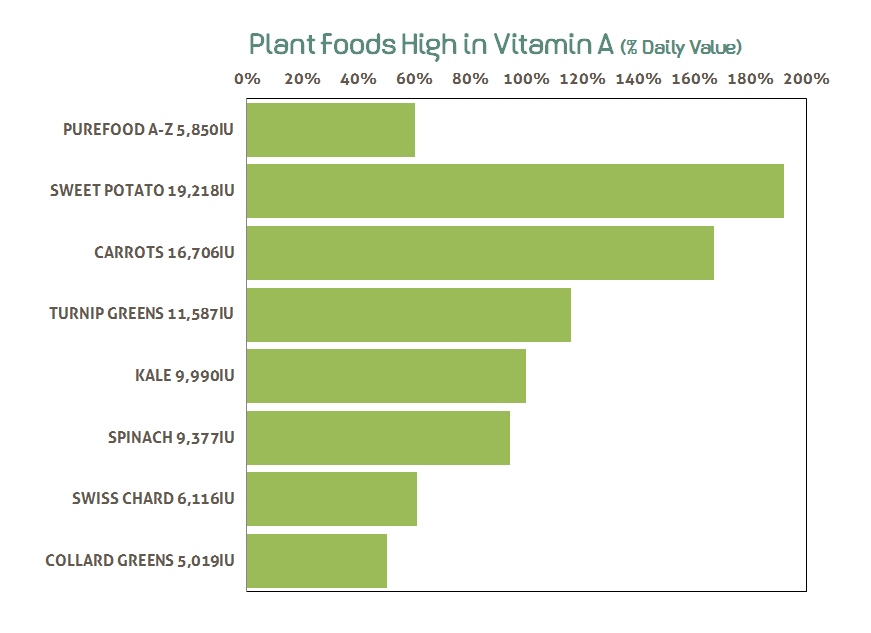
- Plant foods high in Vitamin A and Carotenes including carrots, winter squash, tomatoes, green beans, cilantro, Swiss chard, sweet potatoes, kale, spinach, turnip greens, collard greens
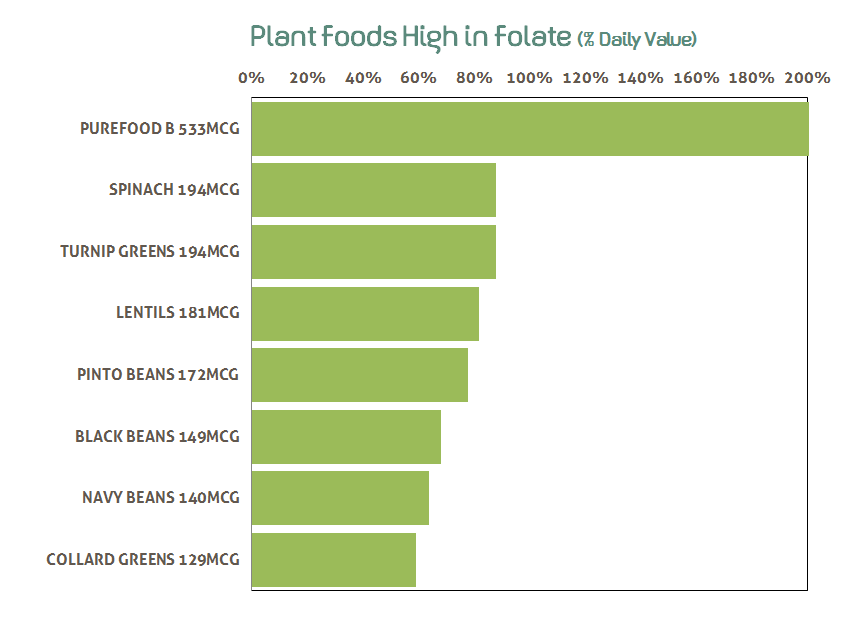
- Plant foods high in B-vitamins including asparagus, Romaine lettuce, mushrooms, spinach, tomatoes, eggplant, cauliflower, broccoli, turnip greens, bell peppers, seaweeds, algae
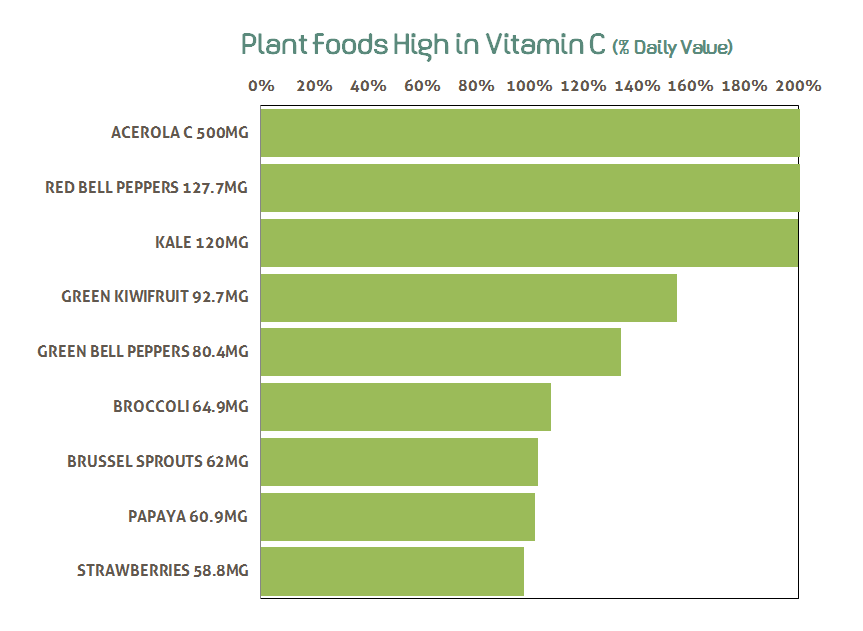
- Plant foods high Vitamin C including bell peppers, kale, kiwifruit, broccoli, Brussel sprouts, papaya, strawberries
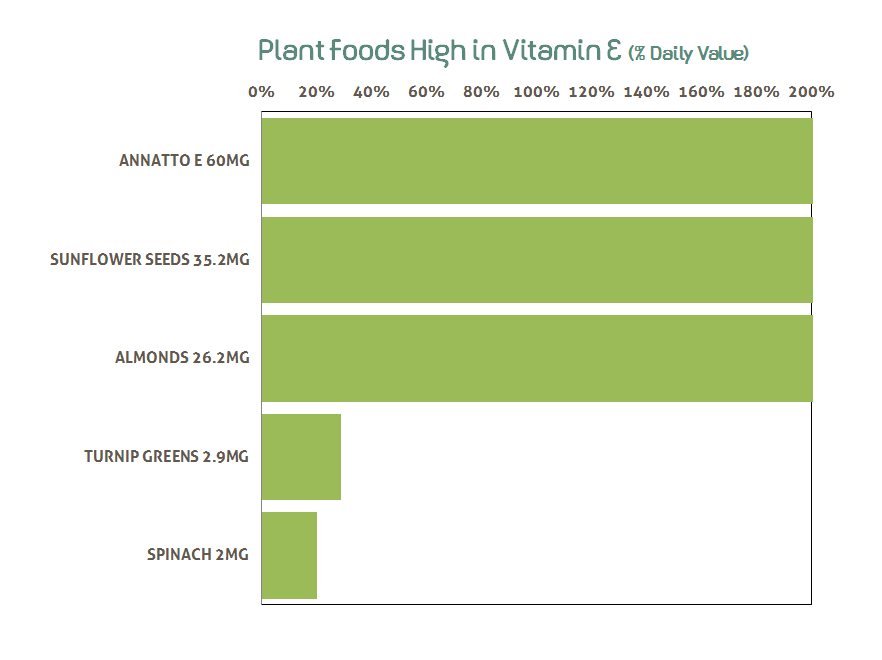
- Plant foods high in Vitamin E including sunflower seeds, almonds, turnip greens, spinach
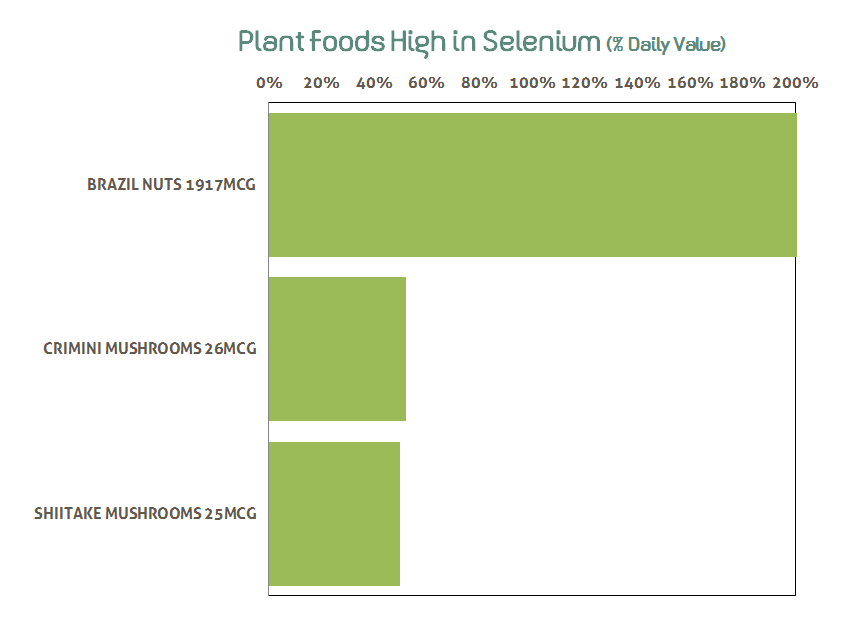
- Plant foods high in Selenium including brazil nuts, crimini mushrooms, shiitake mushrooms
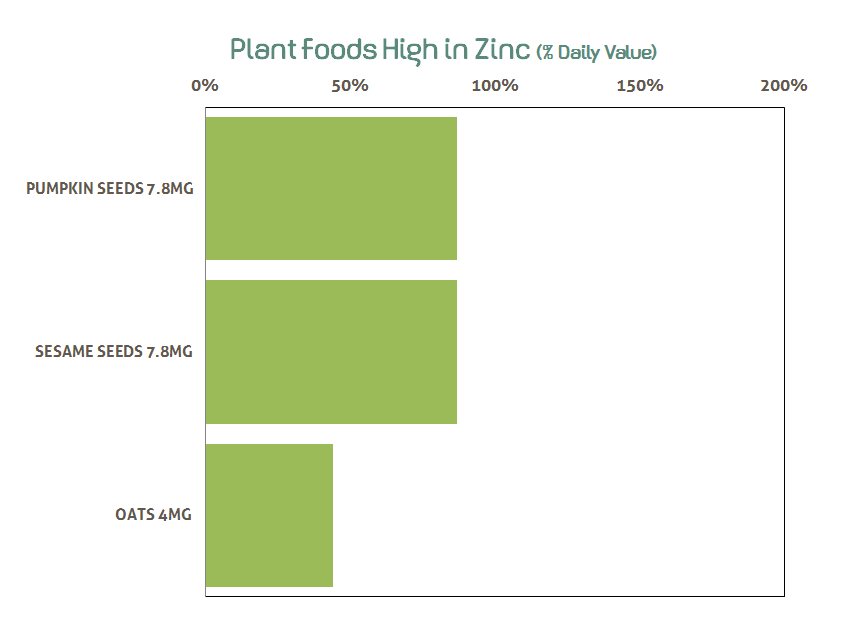
- Plant foods high in Zinc including pumpkin seeds, sesame seeds, oats
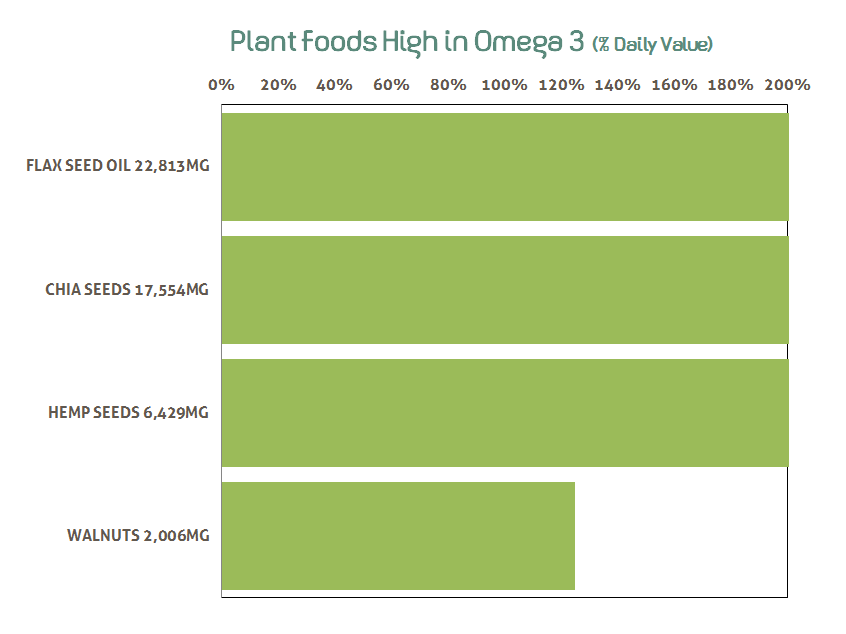
- Plant foods high in Omega 3 including flax seed, chia seeds, walnut
- Plant foods high in Nitrates including turnips, Chinese cabbage (Bok choi), celery, kohlrabi, radish, spinach, endive, lettuces, beet root
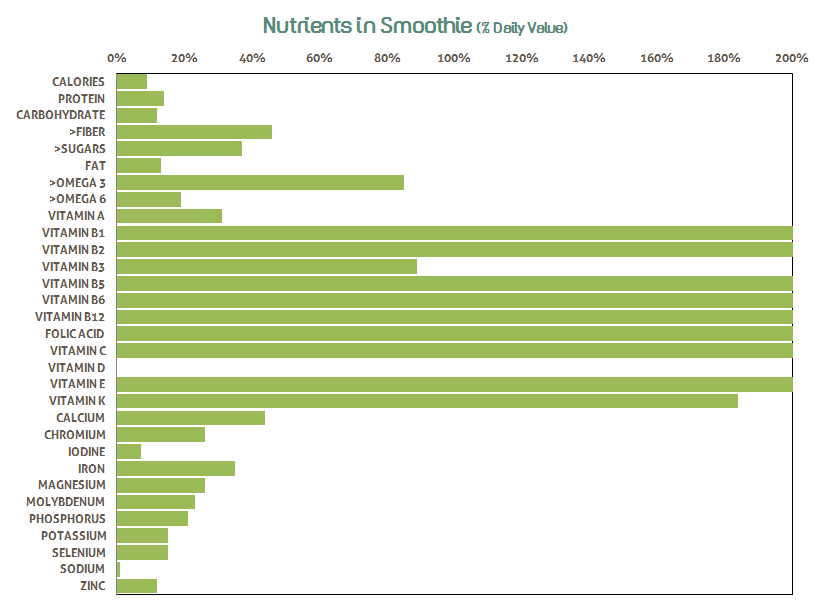
Smoothie Suggestions (serves 1)
Ingredients
- 1 cup filtered water
- 1 heaping tbsp Purefood A-Z (10 g)
- 1 scoop Purefood B (1.5 g)
- 1 scoop Acerola C (1.25 g)
- 1 scoop Annatto E (0.6 g)
- 1 tsp organic raw chia seeds (6 g)
- 2 tsp organic raw sesame seeds (11.2 g)
- 1 medium organic apple (125 g)
- 1 heaping tsp raw cacao (5.8 g)
Directions
Wash the apple and cut into medium pieces. Combine all ingredients in a blender and blend until smooth. Drink slowly and enjoy.
Substitutions
- Organic non citrus fruit juices to replace water for taste
- Organic raw flaxseed to replace chia seeds for omega fatty acid
- Organic raw pumpkin seeds or walnuts to replace sesame seeds (for zinc
- Fresh organic pear or banana to replace apple for fiber, nutrients and flavor
Juice Suggestion (serves 1)
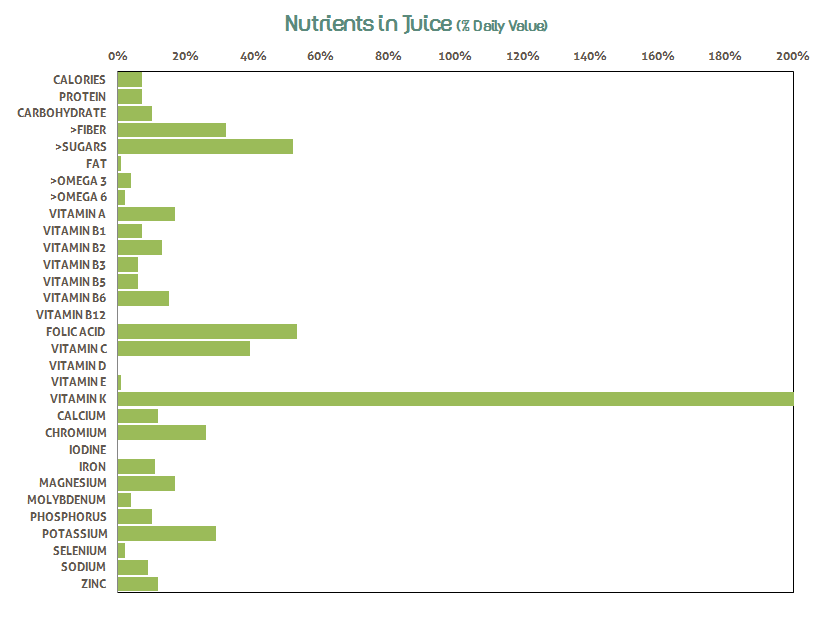
Ingredients
- 1 medium organic apple (125g)
- 1 small organic beet (82g)
- 1 cup organic spinach (30g)
- 2 stalks organic celery (170 g)
Directions
Wash produce well. Cut produce into small enough peices to feed through your juicer. Juice, combine, drink slowly and enjoy!
Substitutions
- Organic carrots to replace beets
- Organic Swiss chard or turnip greens to replace spinach
- Organic pear to replace apple
Salad Suggestions (serves 1)
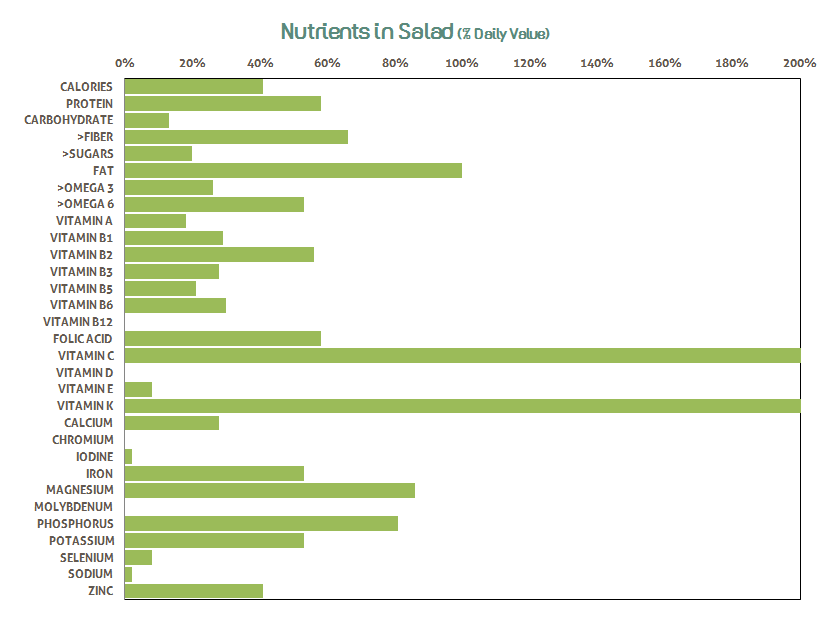
Ingredients
- 2 medium leaves organic romaine lettuce (65g)
- 1/2 cup organic kale, chopped and lightly steamed (65g)
- 4 organic strawberries sliced (41.5)
- 2 organic radish sliced (4g)
- 1/2 organic avocado sliced (110g)
- 1/4c organic almonds chopped (50g)
- 1/4c organic pumpkin seeds (52g)
Directions
Wash greens well and tear into bite size pieces. In a medium bowl toss greens, pepper, grated carrot and seeds. You may use an organic salad dressing of your choice or select one to make from our recipes section. See substitutions box for other ingredient options.
Substitutions
- Endive to replace radish
- Sesame seeds to replace pumpkin seeds (zinc)
- Organic apple to replace strawberry
Salad Dressing Suggestions (serves 1)
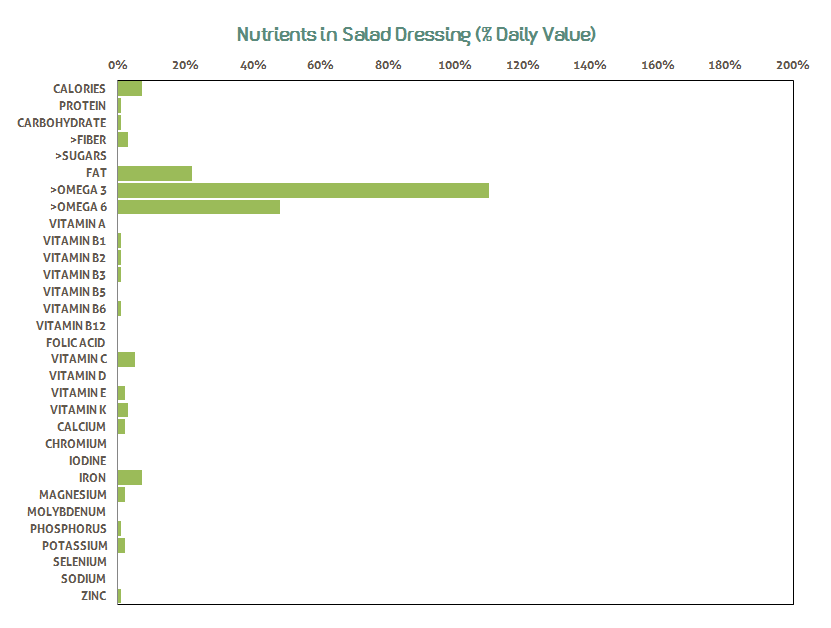
Ingredients
- 1 tsp organic lemon juice
- 1 tbsp organic walnut oil
- 1/2 tsp fennel seeds (1g)
- 1/2 tsp cumin (1g)
- 1/2 tsp turmeric (1g)
- Pinch of Himalayan sea salt to taste
Directions
In a small bowl, whisk together apple cider vinegar and oil until well combined. Mix in crushed garlic, oregano, parsley and sea salt. You may also combine all ingredients in a blender. Serve on fresh salad and enjoy.
Substitutions
- Substitute apple cider vinegar for fresh lemon juice
- Substitute flax oil for walnut oil
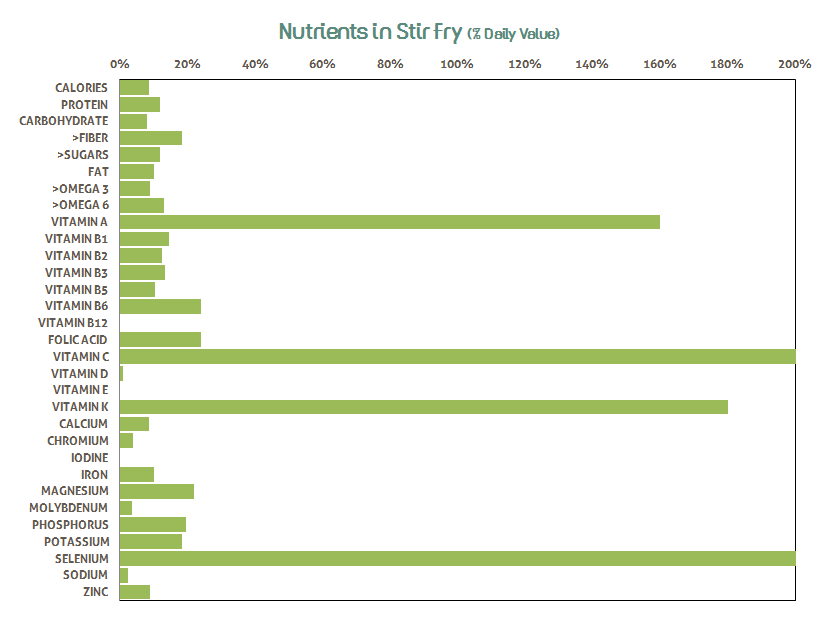
Stir-fry Suggestions (serves 2)
Ingredients
- 1 small head organic broccoli chopped (250 g)
- 1 medium organic carrot (128g)
- 1/2c organic shiitake mushrooms (65g)
- 1 organic red bell pepper sliced (240 g)
- 1 cup organic bok choy (70g)
- 1/4 organic raw brazil nuts chopped (33.25)
- 1 tbsp coconut oil (13.5 g)
- 1 tsp fresh organic ginger grated (2g)
- 1 tsp turmeric powder (2g) \
- 1 clove garlic (3g)
- 1/4 cup fresh organic cilantro chopped (24 g)
- 1 cup organic brown rice cooked (195 g)
Directions
Rinse brown rice. In a small pot bring 1 1/2 cup water to boil. Add rice and reduce to simmer, cover and cook for 30-40 minutes. Wash and chop all veggies into bite size pieces. In a large pan or wok, heat coconut oil over medium heat. Stir in ginger and turmeric and cook for 1 minute. Add broccoli and carrots, stir and cover for 5 minutes. Add bell peppers, mushrooms, bok choy and brazil nuts, stir and cover for 5 minutes. Serve on cooked brown rice, top with freshly chopped cilantro. Chew well and enjoy!
Herbal Tea Suggestions
- Ginseng Root is a tonic for the male reproductive organs and may help with hormonal imbalances. Boil 1 tablespoon of Ginseng root in 4 cups of water, then simmer for 15 minutes. Let stand for 15 minutes then drink.
- Oatstraw tea using the above instructions.
Stress Management Suggestions
When the body and mind is in a reactive or sympathetic mode, large amounts of excitatory catecholamines (including epinephrine, norepinephrine and cortisol) are released which can aggravate the condition leading to hyperactivity, restlessness, insomnia, anxiety, fear and even panic attacks. Breathing and breathing exercises becomes very important to shift from reactive sympathetic state to a parasympathetic and calm state. Being aware of your breathing pattern (especially when you hold your breath or breathing fast), practice slow and regular breathing, having a good sitting or standing posture, avoid multi-tasking and slowing down your pace would greatly reduce your stress hormones and neurotransmitters.
Stress reaction leads to the release of cortisol from the adrenal glands along with sex hormones including estrogen and testosterone. These fluctuating levels can worsen your condition. In order to regulate adrenal function:
- Maintain regular sleep/wake cycles; this will coincide with a healthy glandular rhythm (your internal clock)
- Get adequate sleep every night; lack of sleep with lower your stress tolerance and induce stress hormones
- Eat 4 regular meals a day (3 meals and a snack) including a complex carbohydrate and/or protein at each meal
- Exercise only during the day; exercise in the evening can disrupt your sleep cycle and cause insomnia
- Praying, meditating, reading and taking a bath in the evening helps to slow down your mind and body before bed
- Watching TV, emailing, playing video games, and socializing are not considered relaxation and may disturb sleep
- Staying positive, being grateful and compassionate, and enjoying a good laugh each day also helps
Stress Reduction is essential – You may not be able to eliminate stressful situations in your life (such as a busy schedule or a stressful relationship), but you can learn to cope better with the stress by following these guidelines:
- Relaxation exercises – 20 minutes once a day. Tapes can be purchased at one of your local bookstores. Yoga, practiced on regular basis, can serve the same purpose.
- Deep Breathing – most of us tend to hold our breath or breathe shallow breaths during stressful situations. This can cut down the amount of oxygen available to the body with every breath. Try to have a few 1 minute intervals of breathing and relaxation during the day. At these times, pay special attention to relaxing your shoulder muscles and breathing deeply.
Other Suggestions
- Avoid smoking
- Avoid occupational hazards
- Avoid excess heat, especially around the genitals
- Avoid using antibacterial mouthwash, this interferes with the conversion of nitrate to nitrite in the mouth, which causes circulatory dilation and improved circulation
- Avoid using any plastics in or around your food or beverages, these are a source of xenoestrogens
- Regular physical exercises – at least 30 minutes 3 times per week improves vigor and circulation
- Having intercourse more frequently for about a week around the ovulation period
Naturopathic Medicine
- Ask your naturopathic doctor about IV glutathione to raise antioxidant levels.
- Ask your naturopathic doctor about cleansing programs. Some may involve intravenous or oral chelation to remove heavy metals, others may involve juicing, sauna and supervised fasting to remove accumulated solvents.
- Some herbs may be useful for infertility. Ask your naturopathic doctor about them.
- A wide range of homeopathic medicines can be helpful for individuals with infertility. Consultation with a naturopathic doctor trained in homeopathic prescribing will usually be the best way to select the correct medicine.
Click “Ask the Doctor”
References
www.whfoods.org
www.nutritiondata.self.com
www.ndb.nal.usda.gov/ndb/foods/list
www.vitasearch.com
This article is for educational purposes only. This information has not been evaluated by Health Canada nor the Food and Drug Administration. This information is not intended to diagnose, treat, cure, or prevent any disease.
|