Definition
Premenstrual syndrome or PMS is a group of symptoms which include menstrual changes, breast tenderness, abdominal distention and pain, weight gain, nervousness, irritability, emotional instability, depression, headaches, edema, and food cravings, and which arise in the 7-14 days before menses starts.
Causes
Dr. Abraham’s Four PMS Subtypes, each with its distinct characteristics, and relationship to hormonal fluctuations ("Nutrition and the Premenstrual Tension Syndromes," Abraham GE, J Applied Nutr, 1984;36(2):103-117):
- PMS-A anxiety: anxiety, irritability and nervous tension; eat excessive amounts of refined sugar and dairy products, and have low intakes of fiber, B-vitamins and certain minerals; related to high estrogen, low progesterone
- PMS-C craving: cravings for sweets, increased appetite and the desire to consume refined sugars, with symptoms of palpitations, fatigue, fainting spells, headaches and sometimes the shakes; individuals have increased carbohydrate tolerance and low red-cell magnesium, and decreased prostaglandin E1 in some cases
- PMS-D depression: depression and suicide is most frequent in this subgroup, they have symptoms of withdrawal, insomnia, forgetfulness and confusion; the average blood estrogen is lower and the average blood progesterone is higher than normal in the midluteal phase in this group; Elevated adrenal androgens are seen with some excess hair growth
- PMS-H hyperhydration: water and salt retention, abdominal bloating, breast pain and weight gain; related to excess aldosterone.
- Most PMS sufferers will experience symptoms from more than one group. The most common is Subtype A and least common is Subtype D.
Diet and Nutrition
Dietary Imbalance
•"Prevalence and Severity of Premenstrual Syndrome: Effects of Foods and Beverages that are Sweet or High in Sugar Content", Rossignol, Annette MacKay, Sc.D and Bonnlander, Heinke, R.N. MSN, The Journal of Reproductive Medicine, February 1991;36(2):131-136
•"PMS Begone," Nutrition Week, February 11, 2000;30(6):7/Obstet Gynecol, February, 2000;95:245-250
•"Diet and Sex-Hormone Binding Globulin, Dysmenorrhea, and Premenstrual Symptoms," Barnard ND, Scialli AR, et al, Obstet Gynecol, February, 2000;95(2):245-250
Vitamin B6 and other Vitamin B Deficiencies
•"Dietary B vitamin intake and incident premenstrual syndrome," Chocano-Bedoya PO, Manson JE, et al, Am J Clin Nutr, 2011 Feb 23
•"Pyridoxine in the Treatment of Premenstrual Syndrome: A Retrospective Survey in 630 Patients," Brush MG, Bennett T, Hansen K, Br J Clin Pract, November 1988;42(11):448-452
•"Pre-Menstrual Syndrome and Diet," Bussell, Gaynor, B.Sc., S.R.D., Journal of Nutritional & Environmental Medicine, 1998;8:65-75
Vitamin E Deficiency
•"The Effect of a-Tocopherol on Premenstrual Symptomatology: A Double-Blind Study," London RS, Sundaram GS, Murphy L, Goldstein PJ, J Am Coll Nutr, 1983;2:115-122
Calcium and Vitamin D Deficiencies
•"Calcium and Vitamin D Intake and Risk of Incident Premenstrual Syndrome," Bertone-Johnson ER, Hankinson SE, et al, Arch Intern Med, June 13, 2005;165:1246-1252
Iron Deficiency
•"Nutritional Status and Menstrual-Related Symptomatology", Penland, J. and Hunt, J., FASEB Journal, 1993;7:A379
Magnesium Deficiency
•"Serum and Red Cell Magnesium Levels in Patients With Premenstrual Tension," Abraham GE, Lubran MM, Am J Clin Nutr, November 1981;34:2364-2366
Zinc Deficiency
•"PMS: Hints of a Link to Lunch Time and Zinc", Fackelmann, K.A., et al, Science News, October 27, 1990;138:263
•"Plasma Copper, Zinc and Magnesium Levels in Patients With Premenstrual Tension Syndrome", Posaci, Cemal, et al, Acta Obstet Gynecol Scand, 1994;73:452-455
Caffeine Excess
•"Tea and Premenstrual Syndrome in the People's Republic of China," Rossignol AM, Zhang J, Chen Y, Xiang Z, Am J Public Health, January 1989;79(1):67-69
•"Caffeine-Containing Beverages, Total Fluid Consumption, and Premenstrual Syndrome," Rossignol AM, Bonnlander H, Am J Public Health, September 1990;80(9):1106-1110
Herbs
Vitex agnus castus
•"Treatment of Premenstrual Syndrome With a Phytopharmaceutical Formulation Containing Vitex agnus castus," Loch E-G, Selle H, Boblitz N, J Women's Health Gender-Based Med, 2000;9(3):315-320
•"Premenstrual Syndrome: Treatment With a Phytopharmaceutical," Dittmar FW, et al, TW Gynakologie, 1992;5(1):60-68
other herbs
- Angelica sinensis (Chinese Angelica): estrogenic, for PMS-D subtype
- Borago officinalis (Borage) oil from seeds: influences prostaglandin synthesis for PMS-C subtype
- Chamaelirium luteum (Helonias): sense of weight; congestion of pelvic contents with irritability for PMS-A subtype
- Linum usitatissimum (Flaxsseed) oil: influences prostaglandin synthesis for PMS-C subtype
- Oenothera biennis (Evening primrose) oil: influences prostaglandin synthesis PMS-C subtype
- Ribes nigra (Black currant) oil: influences prostaglandin synthesis PMS-C subtype
- Selenicereus grandiflorus (Nightfblooming Cereus): for nervous menstrual headache for PMS-A subtype
- Scutellaria laterifolia (Skullcap): eases premenstrual tension for PMS-A subtype
- Silybum marianum (Milk Thistle): helps liver conjugate and metabolize estrogen for subtype PMS-A
- Taraxacum officinale (Dandelion root): helps liver conjugate and metabolize estrogen for subtype PMS-A
- Trifolium pratense (Red Clover): anti-spasmodic with phytosterol activity & alterative for
- Viburnum prunifolium (Black Haw): uterine sedative and tonic
- Vitex agnus castus (Chaste tree): based on hyperfolliculinism; acne and premenstrual herpes labialis
Stress
•"Premenstrual Syndrome: Tailoring Treatment to Symptoms", Nader, Shahla, M.D., Postgraduate Medicine, July 1991;90(1):173-180
Summary and Suggestions
PMS is related to an imbalance in the hormone levels of estrogen and progesterone. If your symptoms are not related to the menstrual cycle, please see your physician.
Dietary Suggestions
- Increase your consumption of fresh vegetables, and eat at least 1 cup per day. Eat at least 2 pieces of fruit and 1 cup of whole grains, such as oatmeal or brown rice, per day.
- Some women find that eating small meals, often, can greatly help in relieving symptoms. This is because during periods of fasting between meals, adrenaline levels can increase and bind to progesterone receptors, which compete with the progesterone that is supposed to attach to these receptors
- Vegan diet of 75% complex carbohydrates, 15% protein, 10% fat
- Avoid:
- Estrogenic foods: animal products, yams, nightshade family (eggplant, peppers, tomatoes, potatoes, tobacco), peanuts, soy products, coconut, wheat
- Animal fats stimulate the growth of certain intestinal bacteria, which can hydrolyze conjugated estrogens thus rendering them active again
- Arachidonic acid from animal fats is a precursor to PGF2, which is leuteolytic in women (decreases progesterone). Also, estrogens are used as fattening agents, have been found in commercial red meats, so as much as possible, eat organic meat, or chicken.
- Meat, alcohol, spicy foods, fried foods, fatty foods, rich foods, salt, salty foods, sugar and sweet foods, chocolate, cold and raw foods in excess, excess fruit, shellfish, coffee, black tea, cola drinks, caffeine, dairy products, processed and refined foods
- PMS-A: more Vitamin B6 foods to reduce blood estrogen and increase progesterone; High fiber diet: increased fiber associated with increased binding and excretion of estrogens
- PMS-C: more Magnesium foods to improved glucose tolerance tests and reduced premenstrual tension symptoms, a deficiency in prostaglandin PGE1, which can be stimulated with evening primrose oil which helps with breast tenderness
- PMS-D: more Estrogenic foods and more Zinc-rich foods to metabolize excess testosterone
- PMS-H: high amounts of vitamin B6 to suppress aldosterone, resulting in diuresis and clinical improvement, more Vitamin E helps with breast symptoms, Methylxanthines (caffeine) and nicotine should be avoided, and sodium should be restricted to 3 g/day
Food Suggestions
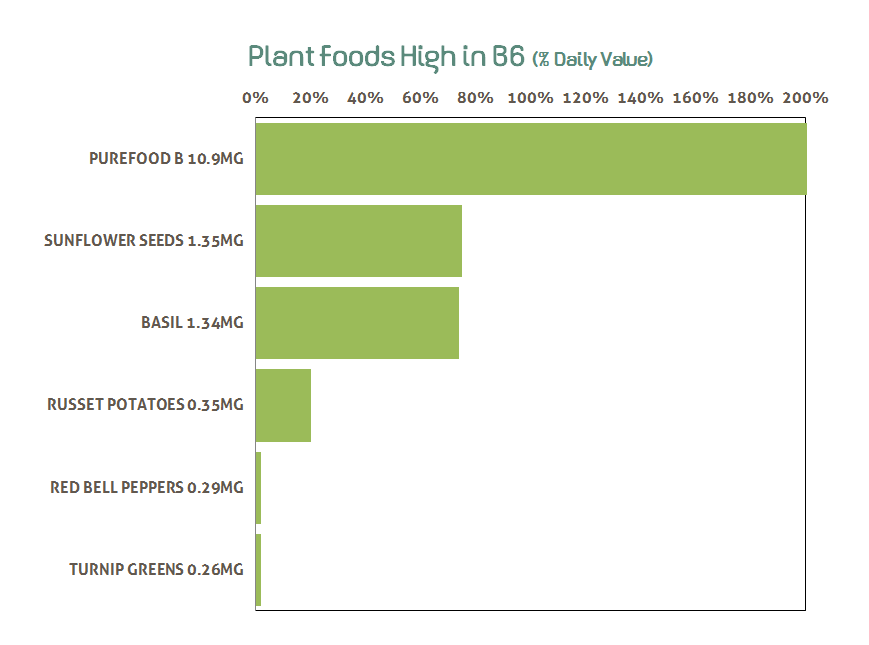
- Plant foods high in Vitamin B6 include sunflower seeds, dried basil, Russet potatoes, red bell peppers, turnip greens
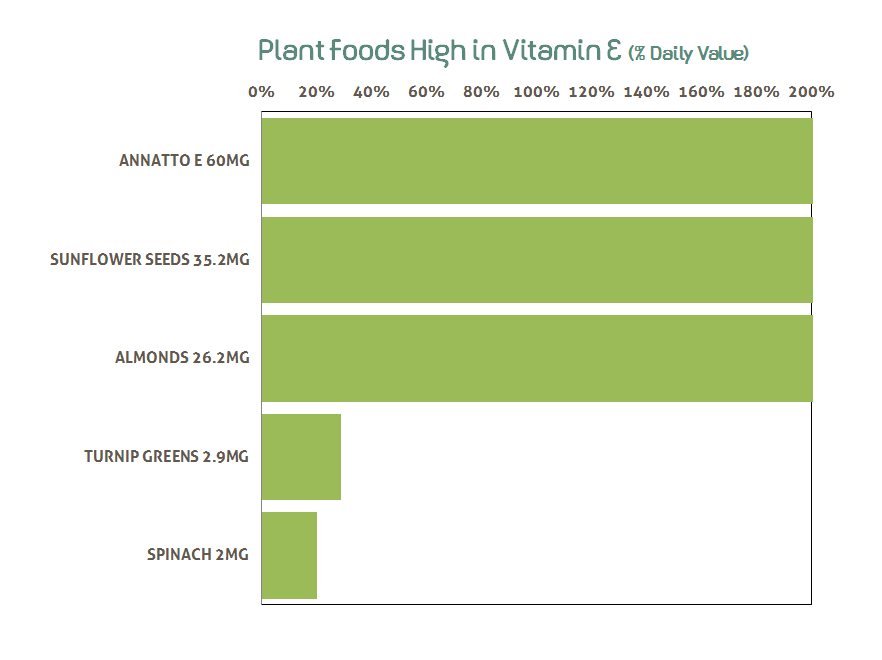
- Plant foods high in Vitamin E include sunflower seeds, almonds, turnip greens, spinach
- Plant foods high in Calcium include sesame seeds, collard greens, turnip greens, kale, kelp and wakame seaweeds
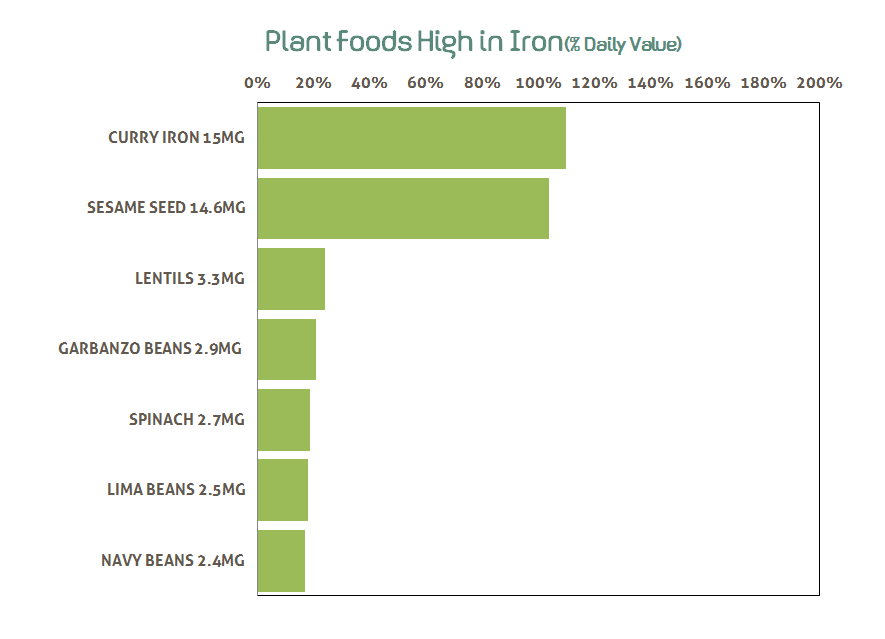
- Plant foods high in Iron include sesame seeds, soybeans, lentils, garbanzo beans, spinach, lima beans, navy beans
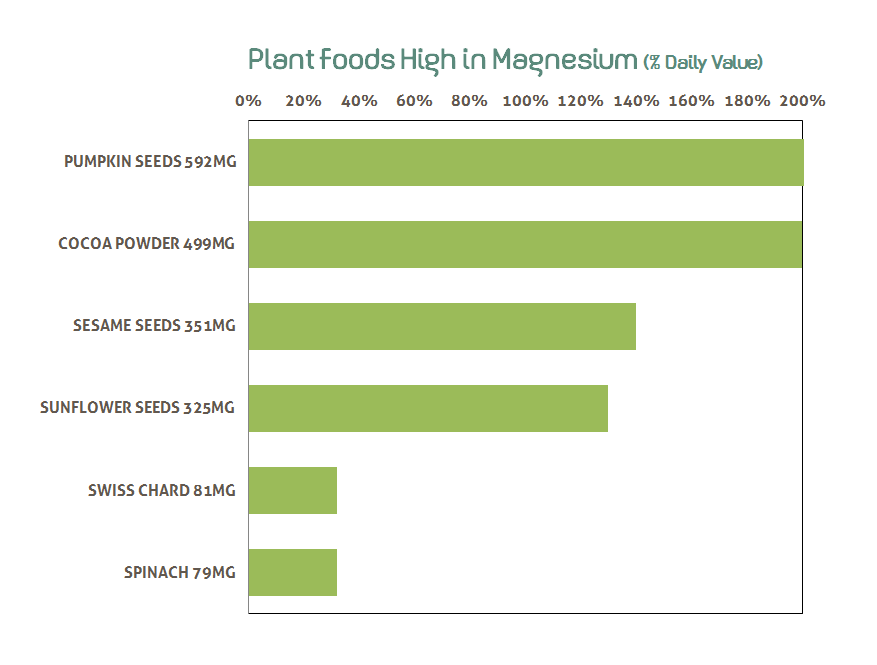
- Plant foods high in Magnesium include pumpkin seeds, cocoa powder (unsweetened), sesame seeds, sunflower seeds, Swiss chard, spinach
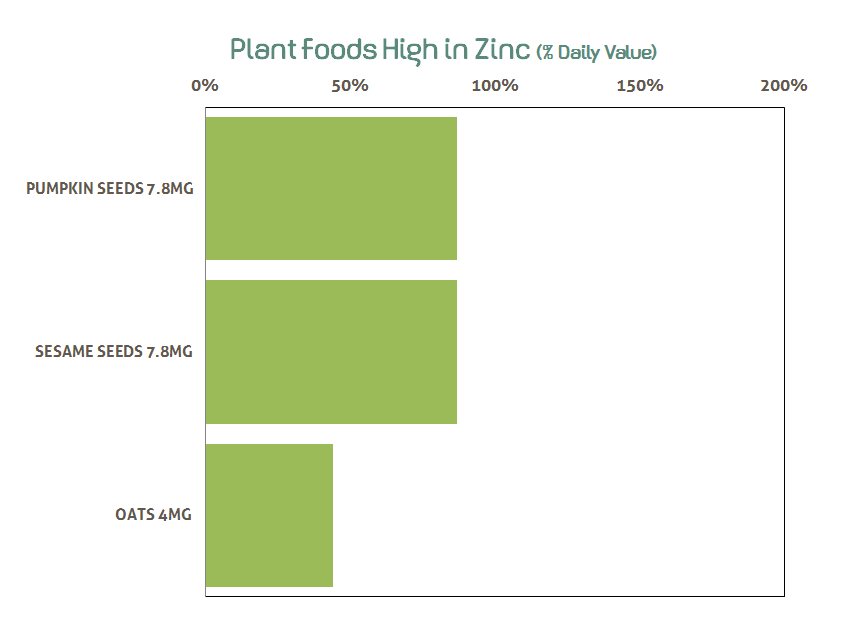
- Plant foods rich in Zinc include pumpkin seeds, sesame seeds, oats
- Increase omega-3 and omega-6 fatty acids: vegetable, nuts, seed oils, walnuts, flaxseed oil, evening primrose oil, black currant oil, chia seeds, hemp seeds
- Plant foods high in Indole 3 Carbinol which can metabolize estrogen include cabbage, cauliflower, broccoli, brussel sprouts, kale, sweet potatoes, turnips
- Plant foods which cleanse the liver help to metabolize excess hormones, these include beets, carrots, artichokes, lemons, parsnips, dandelion greens, watercress, burdock root
Smoothie Suggestions (serves 1)
Ingredients
- 1 cup filtered water
- 1 heaping tbsp Purefood A-Z (10 g)
- 1 scoop Purefood B (1.5 g)
- 1 scoop Acerola C (1.25 g)
- 1 scoop Portobello D (0.6g)
- 1 scoop Annatto E (0.6 g)
- 1 scoop Curry Iron (0.6g)
- 1 tsp organic raw chia seeds (6 g)
- 2 tsp organic raw sesame seeds (11.2 g)
- 1 medium organic apple (125 g)
- 1 heaping tsp raw cacao (5.8 g)
Directions
Wash the apple and cut into medium pieces. Combine all ingredients in a blender and blend until smooth. Drink slowly and enjoy
Substitutions
- Organic non citrus fruit juices to replace water for taste
- Organic raw flaxseed to replace chia seeds for omega fatty acid
- Organic raw pumpkin seeds or walnuts to replace sesame seeds (for zinc
- Fresh organic pear or banana to replace apple for fiber, nutrients and flavor
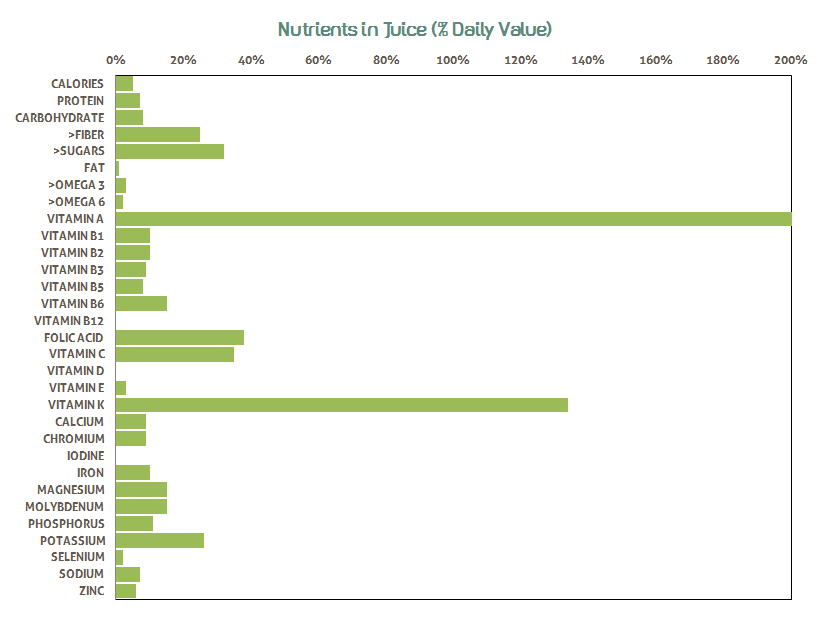
Juice Suggestion (serves 1)
Ingredients
- 1 medium organic carrots (128 g)
- 1/4 organic cucumber (107.5 g)
- 1 small organic beet (82g)
- 1/2 cup organic spinach (15 g)
- 1 tsp organic lemon juice
Directions
Wash produce well. Cut produce into small enough peices to feed through your juicer. Juice, combine, drink slowly and enjoy!
Substitutions
- Organic Swiss chard or turnip greens to replace spinach
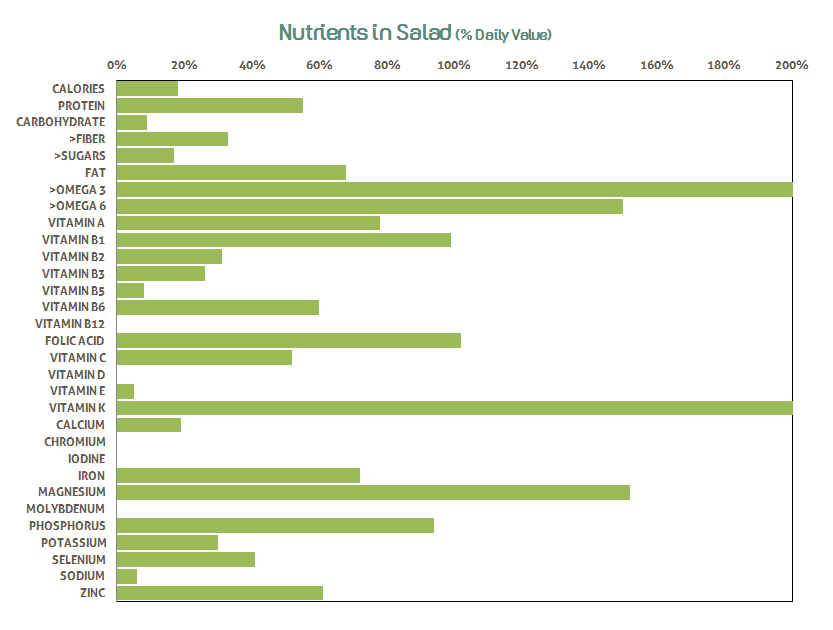
Salad Suggestions (serves 1)
Ingredients
- 2 cups spinach (60 g)
- 1/2 cup organic dandelion greens (27.5 g)
- 1 small organic beet, shredded (82 g)
- 1/4 cup organic hemp seeds (52 g)
- 1/4 cup sunflower seeds (39 g)
Directions
Wash greens well and tear into bite size pieces. In a medium bowl toss greens, pepper, grated carrot and seeds. You may use an organic salad dressing of your choice or select one to make from our recipes section. See substitutions box for other ingredient options.
Substitutions
- Lettuce to replace spinach
- Almonds to replace sunflower seeds
- Additional option, top with lean organic meat , cooked well
Salad Dressing Suggestions (serves 1)
Ingredients
- 1 tbsp organic lemon juice (5ml)
- 1 tbsp (15 ml) organic flax
- 1/4 fresh organic parsley (15g)
- 2 tbsp fresh organic basil (2.5g)
- 1/4 cup organic avocado (36.5g)
- Pinch of Himalayan sea salt to taste
Directions
In a small bowl, whisk together apple cider vinegar and oil until well combined. Mix in crushed garlic, oregano, parsley and sea salt. You may also combine all ingredients in a blender. Serve on fresh salad and enjoy.
Substitutions
- Substitute apple cider vinegar with fresh lemon juice
- Optional add organic garlic
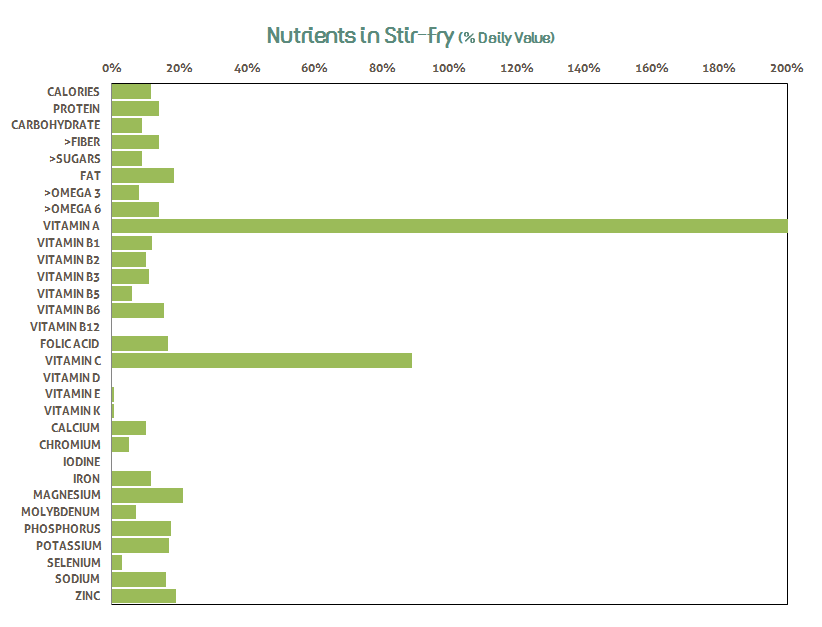
Stir-fry Suggestions (serves 2)
Ingredients
- 1/2 cup organic green cabbage (72.5)
- 1/2 cup organic broccoli (78g)
- 1/2 cup organic kale (65g)
- 1 medium organic carrot (128g)
- 1 medium organic russet potato (136 g)
- 2 tsp organic miso paste (11.46g)
- 1 tsp organic gluten free tamari
- 1/4 organic almonds roasted (50g)
- 1 tsp organic sesame oil
- 1 tbsp organic extra virgin olive oil
- 1 sm clove organic garlic (3g)
- 1 tsp ginger grated (2g)
- 1 tsp apple cider vinegar
- 1 cup organic brown rice (195g)
Directions
Rinse brown rice. In a small pot bring 1 1/2 cup water to boil. Add rice and reduce to simmer, cover and cook for 30-40 minutes. Wash and chop all veggies into bite size pieces. Boil potatoes in a small pot for 10 minutes or until tender. Steam broccoli, carrots, cabbage and carrots until tender- not too long. In a blender combine almonds, sesame oil, miso, tamari, olive oil, ginger, apple cider vinegar and garlic. Blend until smooth, add water if too thick. Serve veggies on cooked brown rice, top with miso sauce. Chew well and enjoy!
Substitutions
- Sunflower seeds to replace almonds
- optional- add onion
- organic lemon juice to replace apple cider vinegar
Herbal Tea Suggestions
Milk Thistle – Chew 1 tablespoon of seeds until soft enough to swallow once a day. You can also grind the seeds in a blender before chewing.
- Use a combination of the following dried herbs:
- Angelica sinensis (Chinese Angelica)
- Dioscorea (Wild Yam)
- Blue Cohosh
- Use equal parts in a pot with 4 cups of water, boil for 5 minutes and simmer for 15 minutes. Drink 1 cup of this tea 2-3 times per day apart from food.
Stress Management Suggestions
When the body and mind is in a reactive or sympathetic mode, large amounts of excitatory catecholamines (including epinephrine, norepinephrine and cortisol) are released which can aggravate the condition leading to hyperactivity, restlessness, insomnia, anxiety, fear and even panic attacks. Breathing and breathing exercises becomes very important to shift from reactive sympathetic state to a parasympathetic and calm state. Being aware of your breathing pattern (especially when you hold your breath or breathing fast), practice slow and regular breathing, having a good sitting or standing posture, avoid multi-tasking and slowing down your pace would greatly reduce your stress hormones and neurotransmitters.
Stress reaction leads to the release of cortisol from the adrenal glands along with sex hormones including estrogen and testosterone. These fluctuating levels can worsen your condition. In order to regulate adrenal function:
- Maintain regular sleep/wake cycles; this will coincide with a healthy glandular rhythm (your internal clock)
- Get adequate sleep every night; lack of sleep with lower your stress tolerance and induce stress hormones
- Eat 4 regular meals a day (3 meals and a snack) including a complex carbohydrate and/or protein at each meal
- Exercise only during the day; exercise in the evening can disrupt your sleep cycle and cause insomnia
- Praying, meditating, reading and taking a bath in the evening helps to slow down your mind and body before bed
- Watching TV, emailing, playing video games, and socializing are not considered relaxation and may disturb sleep
- Staying positive, being grateful and compassionate, and enjoying a good laugh each day also helps
Other Suggestions
"Randomized Controlled Study of Premenstrual Symptoms Treated with Ear, Hand and Foot Reflexology", Oleson, Terry, Ph.D. and Flocco, William, Obstetrics and Gynecology, December 1993;82(6):906-911
"Symptom and Personality Profiles of Young Adults From A College Student Population With Self-Reported Illness From Foods and Chemicals", Bell, Iris R., M.D., Ph.D., et al, Journal of the American College of Nutrition, 1993;12(6):693-702
Naturopathic Medicine
- Treating PMS can be quite complex owing to the involvement of many glandular organs, and the nervous system. Seek the professional assistance of a licensed naturopathic doctor and track your cycles and patterns closely for 3 months.
- In difficult cases, a comprehensive hormone test involving a 24-hour catch in the latter half of the menstrual cycle is necessary in order to determine the relative imbalance between the hormones and their metabolites.
- Note: A wide range of homeopathic medicines can be helpful for women experiencing premenstrual syndrome. Consultation with a health care professional trained in homeopathic prescribing will usually be the best way to select the correct medicine.
- Treat the liver: The liver conjugates estrogens and is involved in estrogen production (see your practitioner for this)
Click “Ask the Doctor”
References
www.whfoods.org
www.nutritiondata.self.com
www.ndb.nal.usda.gov/ndb/foods/list
www.vitasearch.com
This article is for educational purposes only. This information has not been evaluated by the Food and Drug Administration. This information is not intended to diagnose, treat, cure, or prevent any disease.
|