Definition
Psoriasis is a long-term, recurrent disease of the skin. Most often the rash has sharp borders and is covered with silvery scales, papules and plaques of various sizes. It is usually found on the outside surfaces of the knees, elbows, and on the scalp.
Causes
Psoriasis is one of the most common skin conditions, affecting 2-4% of the white population (fewer blacks are affected). Most patients experience the onset before the age 20, although the usual ages are between 10-40 years old. There seems to be a genetic tendency, as 30% of patients have a positive family history and certain HLA antigens are associated with the disease. Although the exact cause is not known, one possible explanation might be the abnormal ratio of cAMP to cGMP in the skin of these patients; decreased cAMP and increased cGMP levels are present in affected individuals. Psoriasis is a hyper-proliferative disease, where the normal transit time of the epidermis decreases from 28 days to 3-4 days. The presentation can vary from 1-2 lesions, to a severe outbreak with accompanying arthritis and exfoliation.
Diet and Nutrition
Dietary Imbalance
•"Dietary Factors and the Risk of The Risk of Psoriasis: Results of an Italian Case-Controlled Study," Naldi, L., et al, British Journal of Dermatology, 1996;134:101-106
•"Nutrition and psoriasis," Ricketts JR, Rothe MJ, et al, Clin Dermatol, 2010 Nov-Dec; 28(6): 615-26.
•"Clinical and biochemical effects of coenzyme Q(10), vitamin E, and selenium supplementation to psoriasis patients,"
Kharaeva Z, Gostova E, et al, Nutrition, 2009; 25(3): 295-302
•"Diet and psoriasis: experimental data and clinical evidence," Wolters M, Br J Dermatol, 2005; 153(4): 706-14
Gluten Allergy
•"Psoriasis Patients With Antibodies to Gliadin Can Be Improved by a Gluten-Free Diet," Michaelsson G, Gerden B, et al, Br J Dermatol, 2000;142:44-51
•"Gluten-Free Diet in Psoriasis Patients With Antibodies to Gliadin Results in Decreased Expression of Tissue Trans-glutaminase and Fewer Ki67+ Cells in the Dermis," Michaelsson G, Ahs S, et al, Acta Derm Venereol, 2003;83:425-429
Vitamin A and E Deficiencies
•"Skin carotenoid levels in adult patients with psoriasis," Lima X, Kimball A, J Eur Acad Dermatol Venereol, 2010, Nov 4
•"Vitamin A and E Blood Levels in Erythrodermic and Pustular Psoriasis Associated With Chronic Alcoholism", Marrakchi, S., et al, ACTA Derm Venereol Stockh, 1994;74;7:298-301
Vitamin D Deficiency
•"Deficiency of serum concentration of 25-hydroxyvitamin D in psoriatic patients: A case-control study," Orgaz-Molina J, Buendía-Eisman A, et al, J Am Acad Dermatol, 2012 Mar 1
Folate Deficiency
•"Plasma homocysteine and folate levels in patients with chronic plaque psoriasis," Malerba M, Gisondi P, et al, Br J Dermatol, 2006; 155(6): 1165-9
Selenium Deficiency
•"Selenium in Whole Blood and Plasma is Decreased in Patients With Moderate and Severe Psoriasis," Michaelsson, Gerd, et al, Acta Derm Venereol, (Stockh), 1989;69:29-34
Gamma Linolenic Acid Deficiency
•"Gamma linolenic acid: an anti-inflammatory omega-6 fatty acid," Kapoor R, Huang Y-S, Current Pharmaceutical Biotechnology, 2006; 7(6): 531-4
Associated Conditions
•"Psoriasis Strongly Linked With Several Comorbid Conditions," Bates B, Family Practice News, December 1, 2004:34
•"Anti-Candida Antibody Levels in Psoriasis Vulgaris", Soyuer, Umit, M.D., The Central African Journal of Medicine, Submitted 1990
Herbs
Capsicum (Hot Chili Peppers)
•"Topical Capsaicin For Psoriasis", Kurkcuoglu, N. and Alaybeyi, F., British Journal of Dermatology, October 1990;123(4):549-550
•"Hot Pepper Cure: Capsaicin Relieves Psoriatic Itch", Modern Medicine, November 1993;61:31/Ellis, Charles N., M.D., Journal of the American Academy of Dermatology, September, 1993
Burdock Root and Aloe extract
•"Phytotherapeutic Approaches to Common Dermatologic Conditions," Brown DJ and Dattner AM, Arch Dermatol, November, 1998;134:1401-1404
Note: Burdock may aggravate psoriasis due to increase in alternative complement pathway stimulation (see below)
Other Herbs
- Icelandic kelp seaweed: nutritive, supplies iodine
- Berberis aquifolium (Oregon grape): stubborn cases; combines well with Arctium lappa (Burdock) or Rumex crispus (Yellow dock)
- Glycyrrhiza glabra (Licorice) : as emollient, nutritive, adaptogen
- Juniperus communis oil: used externally
- Rumex crispus (Yellow dock): as tonic, alterative; especially psoriasis with constipation; often used with Taraxacum officinale (Dandelion root)
- Scrophularia nodosa (Figwort): ulcers from skin disease; with glandular disorders; may combine with Rumex crispus (Yellow dock)
- Smilax sarsaparilla (Sarsaparilla): specifically for psoriasis: with irritation and heavy desquamation; may be combined with Rumex crispus (Yellow dock)
- Stellaria media (Chickweed): topical application as an ointment for pruritus; in ointment combines well with Althea officinalis (Marshmallow root or leaf) and/or Ulmus fulva (Slippery elm)
- Trifolium pretense (Red clover): specific for; combines well with Rumex crispus (Yellow dock)
Stress
•"Psoriasis, Stress and Psychiatry: Psychodynamic Characteristics of Stressors", Mazzetti, M., et al, ACTA Dermatologica Venereol, 1994;Suppl. 186:62-64
•"Psychological Stress and Psoriasis: Experimental and Prospective Correlational Studies", Gaston, Louise, et al, ACTA Derm. Venereol.(Stockh), 1991;(Suppl. 156):37-43
•"Meditation Speeds Psoriasis Clearing During Phototherapy," Jancin B, Skin and Allergy News, March, 2000:30/Psychosom Med, 1998;60(5):625-632
Summary and Suggestions
Drug therapies for psoriasis, which only treat the surface of the skin, are seldom effective over long periods of time. To be effective, a therapy must address the underlying cause, which usually is poor elimination of body waste, poor diet, and mental/emotional stress.
Dietary Suggestions
- Eat fruits, vegetables, and whole grains on a daily basis
- Limit or eliminate the following foods: sugar containing foods such as candies and pastries, meat and animal fats, including dairy products. The breakdown products of animal fats can worsen psoriasis
- Restrict or avoid alcohol completely, as it tends to worsen the condition
- Rule out food sensitivities: consider gluten avoidance
- Avoid sources of arachidonic acid: decrease the ingestion of animal fats
- Limit simple carbohydrates: Increased levels of both insulin and glucose have been noted in psoriatic patients.
- Increase fiber in diet: Low fiber is associated with increased numbers of gram negative rods and diverticular disease, both of which contribute to endotoxemia which can activate the ACP and guanylate cyclase directly.
- Weight reduction, if applicable
- Chew food thoroughly
Food Suggestions
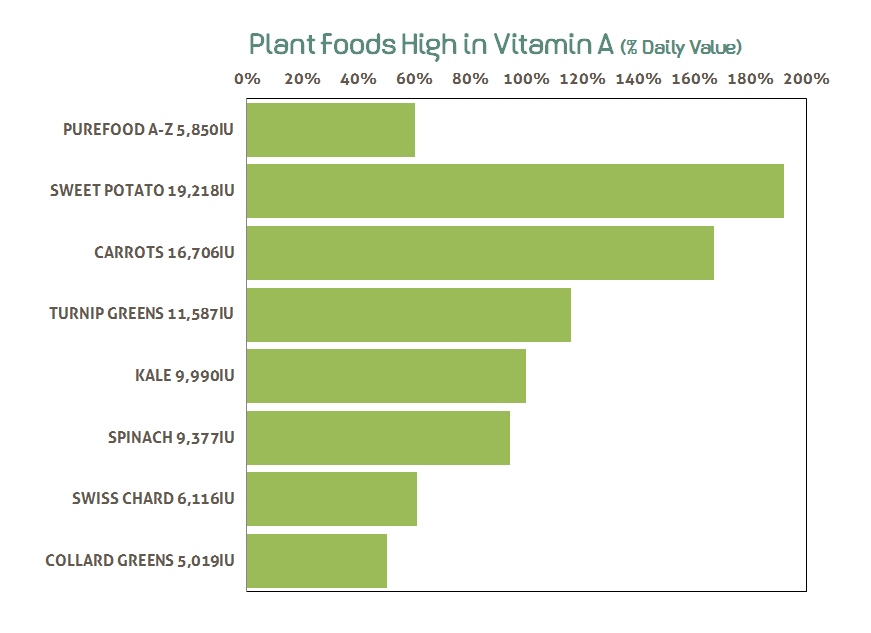
- Plant foods rich in Vitamins A: carrots, winter squash, tomatoes, green beans, cilantro, Swiss chard, sweet potatoes, kale, spinach, turnip greens, collard greens
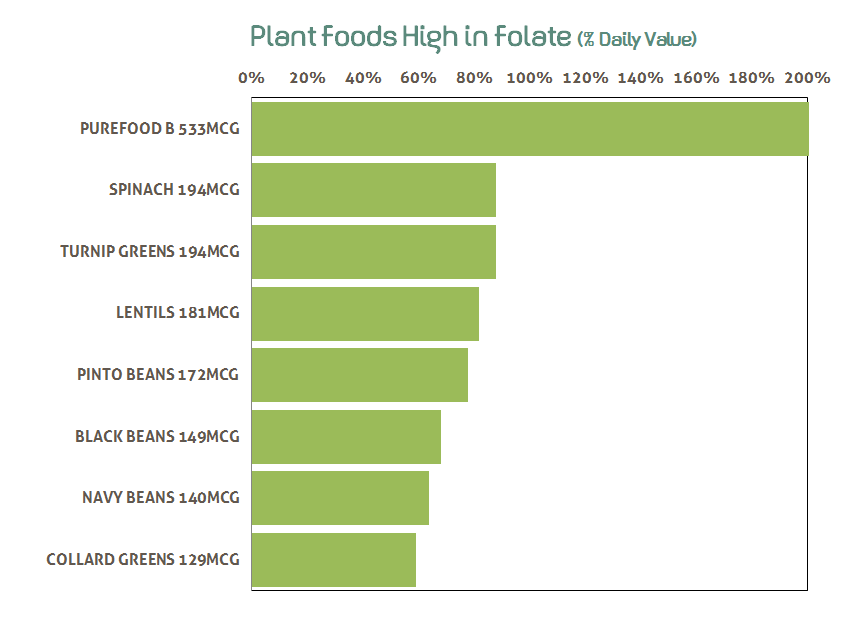
- Plant foods rich in B-vitamins (includes Folate): asparagus, romaine lettuce, mushrooms, spinach, sunflower seeds, green peas, tomatoes, eggplant, Brussel sprouts, cauliflower, broccoli, turnip greens, bell peppers, seaweeds, algae
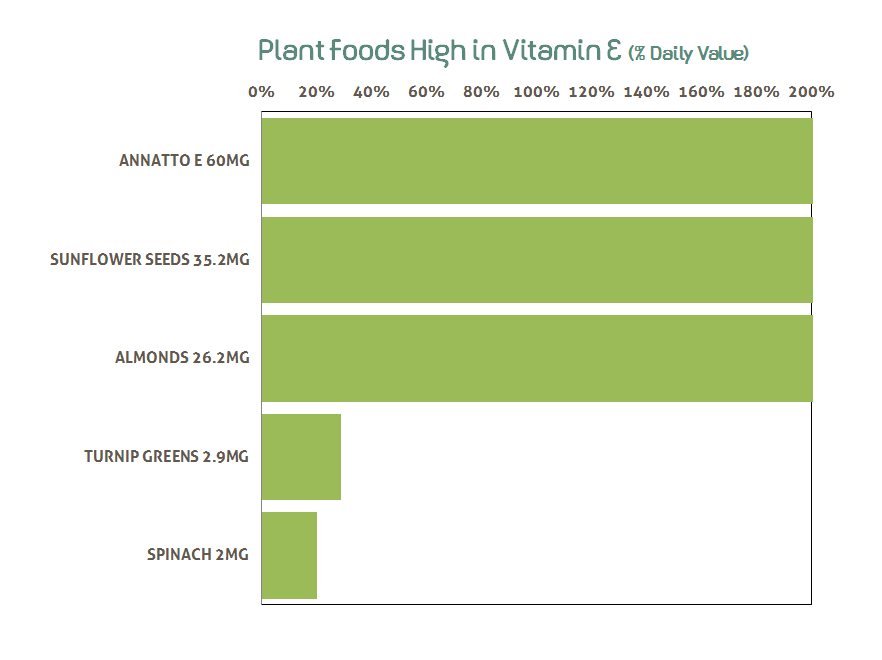
- Plant foods rich in Vitamin E: mustard greens, Swiss chard, sunflower seeds, turnip greens, almonds, spinach
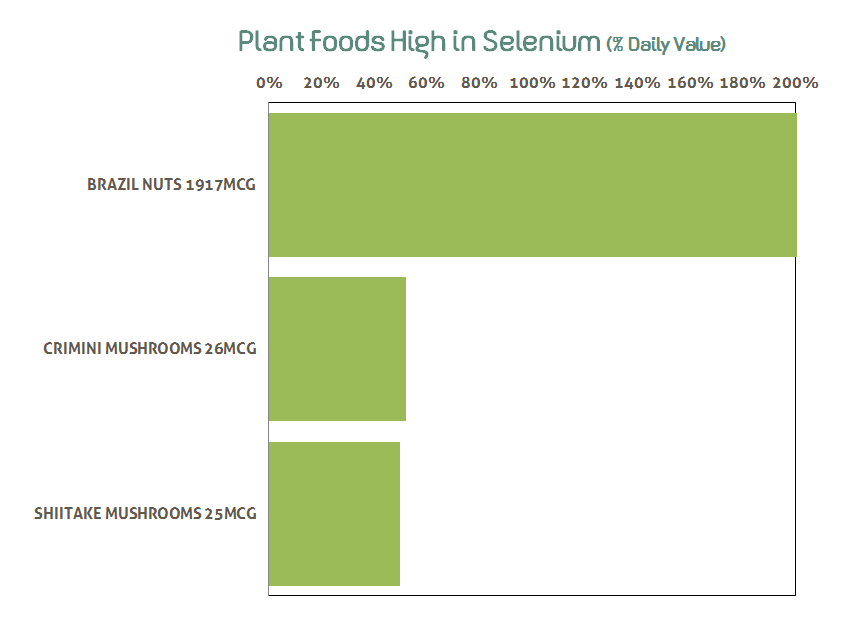
- Plant foods rich in Selenium: brazil nuts, crimini mushrooms, shiitake mushrooms
- Plant foods rich in Zinc: pumpkin seeds, sesame seeds, oats, spinach
- Liver-cleansing plant foods: beets, carrots, artichokes, lemons, parsnips, dandelion greens, watercress, burdock root
- Increase omega-3 and omega-6 fatty acids: vegetable, nut, seed oils, walnuts, flaxseed oil, evening primrose oil, black currant oil
- Unripened dry prunes, guava skins, vinegar, garlic, walnuts, cucumber, beet tops, dandelions, squash, mung beans
- Eat more avocados, sea vegetables, apple, cucumbers, millet, rice bran, sprouts
- Avoid spicy foods, alcohol, coffee, caffeine, stimulating foods, fatty foods, fried and rich foods
- Avoid citrus fruits (oranges, grapefruit), animal products (beef, pork), dairy products (milk, cheese, yogurt, ice cream, butter), eggs, processed foods, refined foods, foods with hydrogenated fats, white sugar, artificial sugars
Smoothie Suggestions (serves 1)
Ingredients
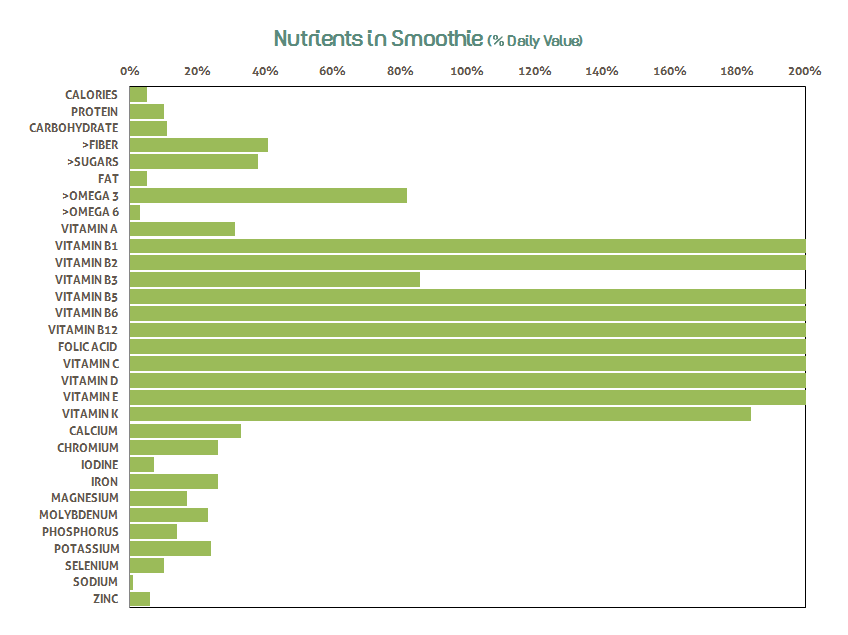
- 1 cup filtered water
- 1 heaping tbsp Purefood A-Z (10g)
- 1 scoop Purefood B (1.5g)
- 1 scoop Acerola C (1.25g)
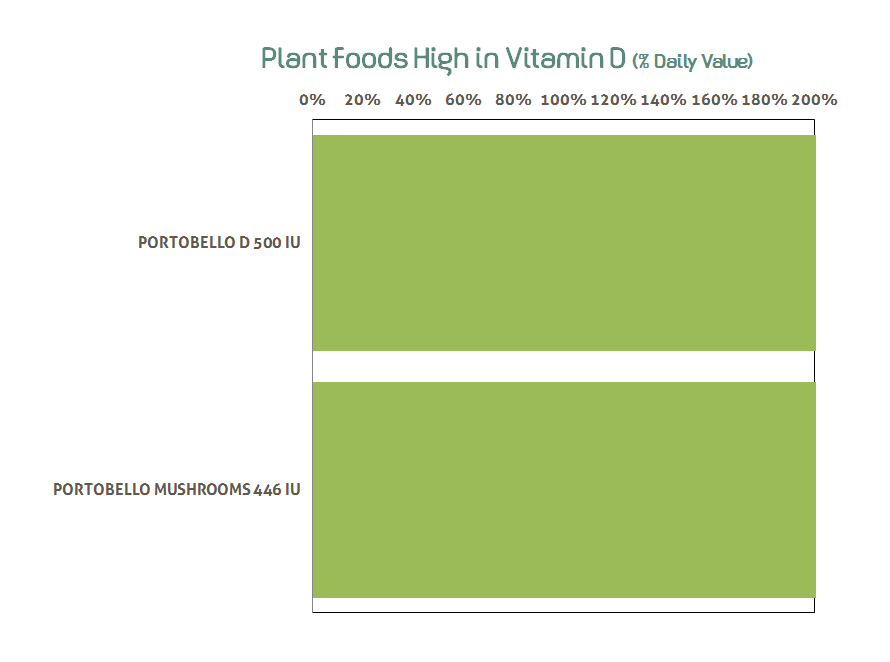
- 1 scoop of Portobello D (0.6g)
- 1 scoop Annatto E (0.6g)
- 1 tsp (6g) organic raw chia seeds
- 1 medium organic apple (125 g)
- 1 heaping tsp raw cacao (5.8 g)
Directions
Wash the apple and cut into medium pieces. Combine all ingredients in a blender and blend until smooth. Drink slowly and enjoy.
Substitutions
- Organic fruit juices to replace water for taste
- Organic raw flaxseed to replace chia seeds (omega 3)
- Organic raw pumpkin seeds or walnuts to replace sesame seeds (zinc)
- Fresh organic pear or banana to replace apple ( fiber, nutrients, and flavour)
Juice Suggestion (serves 1)
Ingredients
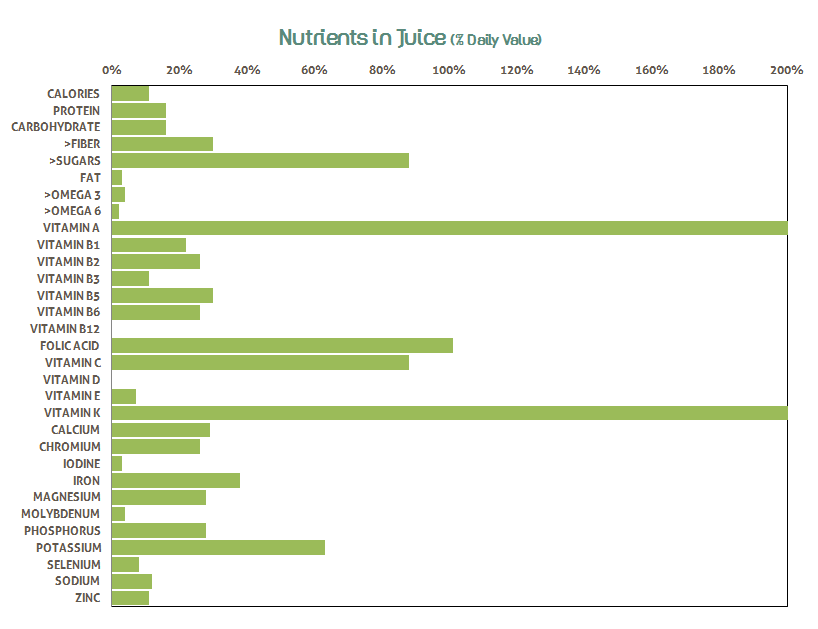
- 2 medium organic carrots (256g)
- 1/2 organic cucumber (215 g)
- 1 cup organic spinach (30 g)
- 2 stalks organic celery (170 g)
- 1 whole organic endive (140g)
- 1 medium organic apple (125g)
Directions
Wash produce well. Cut produce into small enough peices to feed through your juicer. Juice, combine, drink slowly and enjoy!
Substitutions
- Organic beets to replace carrots (vitamin A and other carotenoids)
- Organic pear to replace apple for nutrients, fibre and taste
- Optional: Add half a bitter melon to the juice ( buy at any oriental grocery)
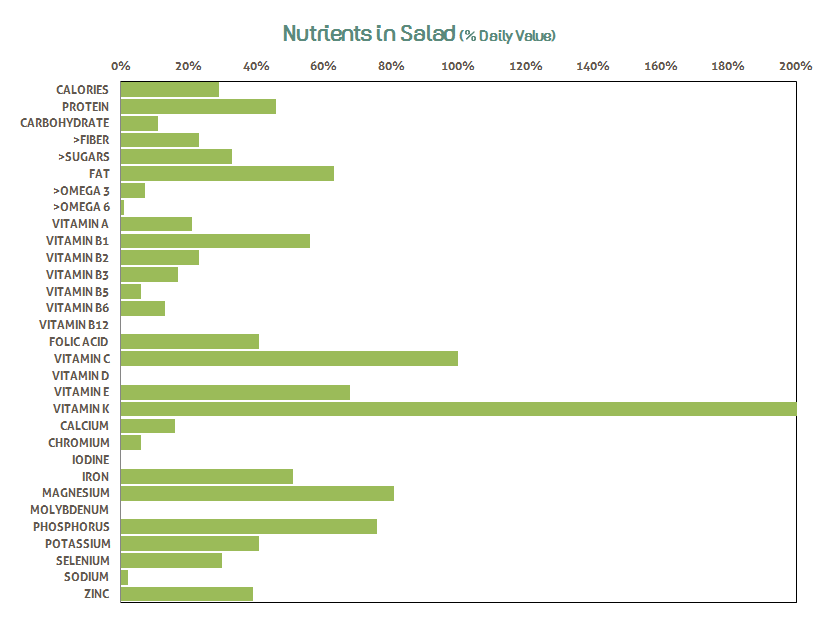
Salad Suggestions (serves 1)
Ingredients
- 2 medium leaves organic romaine lettuce (65g)
- 1/2 cup organic watercress (17g)
- 1/2 cup mustard greens (28g)
- 1/2 small organic tomato, diced (90g)
- 1/4 organic cucumber diced (60g)
- 1/2 medium apple sliced (62.5g)
- 1/4 cup organic sunflower seeds (35g)
- 1/4 cup raw organic pumpkin seeds (52g)
Directions
Wash produce. Tear lettuce into bite size pieces, combine watercress, mustard greens, sliced cucumber, apple, tomato and seeds. Add dressing (see below). Enjoy
Substitutions
- Organic spinach to replace mustard greens
- Sesame seeds to replace pumpkin seeds (zinc)
- Additional option, top with lean organic meat, cooked well
- Dandelion greens to replace watercress
- Optional- add avocado
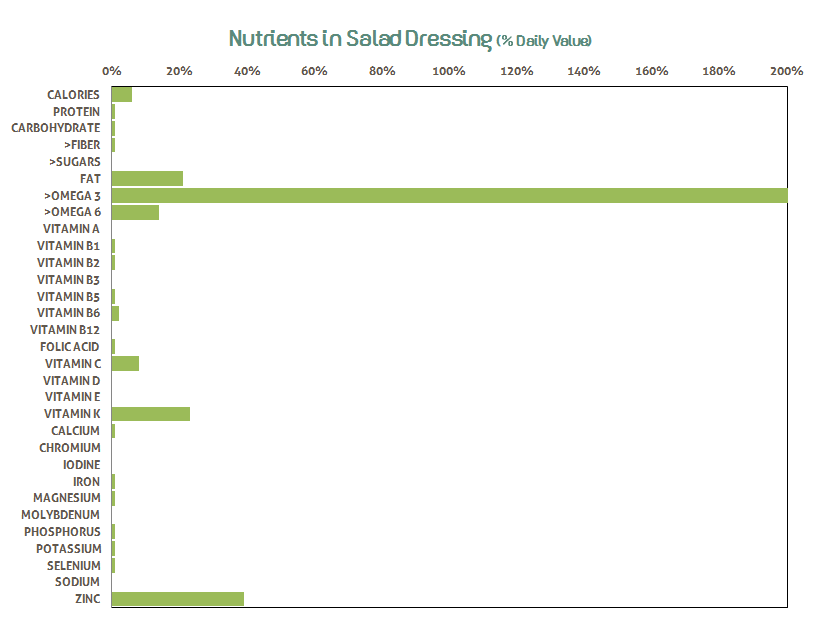
Salad Dressing Suggestions (serves 1)
Ingredients
- 1 tbsp organic flax oil
- 1 tsp organic lemon juice
- 1 small clove organic garlic, grated (3g)
- 1 tbsp organic cilantro, chopped (6g)
- pinch Himalayan salt
Directions
In a small bowl, whisk together lemon and oil until well combined. Mix in crushed garlic, cilantro and sea salt. You may also combine all ingredients in a blender. Serve on fresh salad and enjoy
Substitutions
- Organic apple cider vinegar to replace lemon juice
- Organic chive to replace garlic clove
- Organic walnut oil to replace flax oil
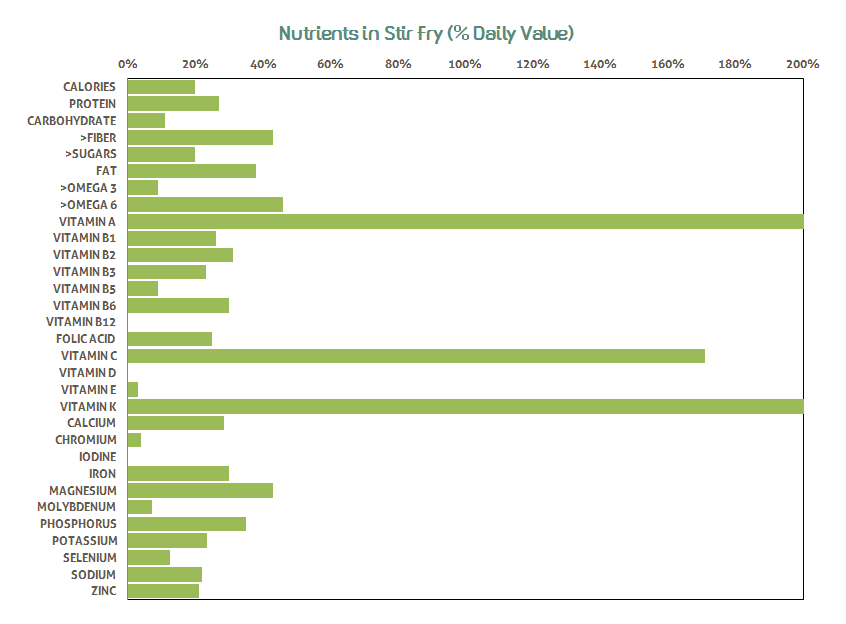
Stir-fry Suggestions (serves 2)
Ingredients
- 2 medium carrots, sliced (256g)
- 5 organic asparagus stalks, chopped (120g)
- 1/2 cup shitake mushrooms whole (65g)
- 1 cup organic kale, chopped )67g)
- 1 organic red bell pepper sliced (240 g)
- 1/4 cup sesame seeds (65g)
- 1/2 cup organic whole organic almonds (100 g)
- 1 tbsp coconut oil (13.5 g)
- 1 tbsp fresh organic ginger grated (15 g)
- 1 clove garlic grated (3g)
- 2 tbsp gluten free tamari sauce
- 1 tbsp organic rice wine vinegar
- 1 cup organic millet cooked (174g)
Directions
Rinse millet. In a small pot bring 2 cups water to a boil. Add millet to boiling water, reduce to simmer. Cook for 20 minutes. Wash and cut all vegetables. Heat coconut oil in a wok, add ginger and carrots, stir and cover for 3 minutes. Add asparagus, and bell peppers, stir and cover for 2 minutes. Pour in tamari and rice wine vinegar, stir. Add kale, garlic and shitake mushrooms, cover for 5 minutes. Serve on millet, top with sesame seeds and almonds.
Substitutions
- Green beans, collard, Swiss chard to replace kale
- Eggplant or broccoli for asparagus
- Sunflower seeds for almonds
- Pumpkin seed for sesame seeds
- Brown rice, quinoa, amaranth for millet
Topical Suggestions
- Cut up and crush 250 g fresh ginger and soak in 500 ml white wine for 2 days, then apply to affected areas 3-4 times per day
- Crush peeled garlic cloves, mix with sesame oil to make ointment, then apply topically to affected areas
- Mix 20 g whole cloves with 70% alcohol to make l00 ml, then apply externally to affected area
- Oil of avocado applied externally to affected areas
Herbal Tea Suggestions
- The following herbal tea has cleansing properties and can be drunk for a few months: Mix equal parts of Sarsparilla, Oregon Grape and Yellow Dock. As a tea, use 1 tablespoon of the herbal mixture per cup of boiling water. Simmer 5 minutes. Steep 15 minutes. Drink 1 cup 2 to 4 times a day.
Stress Management Suggestions
When the body and mind is in a reactive or sympathetic mode, large amounts of excitatory catecholamines (including epinephrine, norepinephrine and cortisol) are released which can aggravate the condition leading to hyperactivity, restlessness, insomnia, anxiety, fear and even panic attacks. Breathing and breathing exercises becomes very important to shift from reactive sympathetic state to a parasympathetic and calm state. Being aware of your breathing pattern (especially when you hold your breath or breathing fast), practice slow and regular breathing, having a good sitting or standing posture, avoid multi-tasking and slowing down your pace would greatly reduce your stress hormones and neurotransmitters.
Stress reaction leads to the release of cortisol from the adrenal glands along with sex hormones including estrogen and testosterone. These fluctuating levels can worsen your condition. In order to regulate adrenal function:
- Maintain regular sleep/wake cycles; this will coincide with a healthy glandular rhythm (your internal clock)
- Get adequate sleep every night; lack of sleep with lower your stress tolerance and induce stress hormones
- Eat 4 regular meals a day (3 meals and a snack) including a complex carbohydrate and/or protein at each meal
- Exercise only during the day; exercise in the evening can disrupt your sleep cycle and cause insomnia
- Praying, meditating, reading and taking a bath in the evening helps to slow down your mind and body before bed
- Watching TV, emailing, playing video games, and socializing are not considered relaxation and may disturb sleep
- Staying positive, being grateful and compassionate, and enjoying a good laugh each day also helps
Other Suggestions
- Avoid activation of the Alternate Complement Pathway (ACP). This pathway exacerbates psoriasis because of the promotion of PMN release and lipoxygenase products. Herbs such as Arctium lappa (Burdock), Echinacea, and Inula are should not be used because they promote the ACP.
- Avoid cyclo-oxygenase inhibitors: such as aspirin, non-steroidal anti-inflammatory drugs, Tryptophan
- Avoid cGMP stimulators: biotin, ginseng, Vitamin C, and cyclic AMP antagonists like beta-blockers
- Indirect sun exposure in the shade or during non-peak hours of sunshine in the summer
Naturopathic Medicine
See your local naturopathic doctor about:
- Vegetable juice fasting – must be supervised by your naturopathic doctor
- Enhance digestion, correct hypochlorhydria if applicable
- Elimination and rotational diet, reintroduction if necessary
- Using Evening primrose oil (gamma linolenic acid)
- Using topical 0.025% capsaicin in a cream base (custom compounded)
- Anti-candida treatment program
- Treating other comorbid conditions including diabetes and cardiovascular risks or conditions
Click “Ask the Doctor”
References
www.whfoods.org
www.vitasearch.com
This article is for educational purposes only. This information has not been evaluated by Health Canada nor the Food and Drug Administration. This information is not intended to diagnose, treat, cure, or prevent any disease.
|