|
Definition
Rosacea is a chronic acneiform eruption and redness in the central region of the face, typically beginning in middle age or older and recognized by facial flushing and telangiectasia. It is also known as acne rosacea. As of 2010, rosacea is estimated to affect at least 16 million people in the United States alone and approximately 45 million worldwide. Most people with rosacea are Caucasian and have fair skin. Untreated rosacea tends to worsen over the time and be a progressive disease. Eventually, untreated rosacea can cause a bulbous red nose like W.C. Fields.
Causes
The disease is more common in women than men (3:1), but in men, the condition presents in a more severe form. The cause of the disease is unknown, and occurs mostly from age 30-50. The usual areas to be affected by the facial flushing and acne-like eruptions are the cheeks, nose, forehead and chin. Groups of capillaries close to the surface of the skin become dilated, resulting in blotchy red areas with small bumps and pimples. Rosea pattern is symmetrical in appearance. Implicating factors include: alcoholism, low stomach acid (hypochlorhydria), vitamin deficiencies, mineral deficiencies, vasomotor neurosis, seborrheic tendency and hormonal imbalance.
Diet and Nutrition
Dietary Imbalance
•“Diet and Acne.” Bowe WP, Joshi SS, Shalita AR, J Am Acad Dermatol. 2010 Jul;63(1):124-41
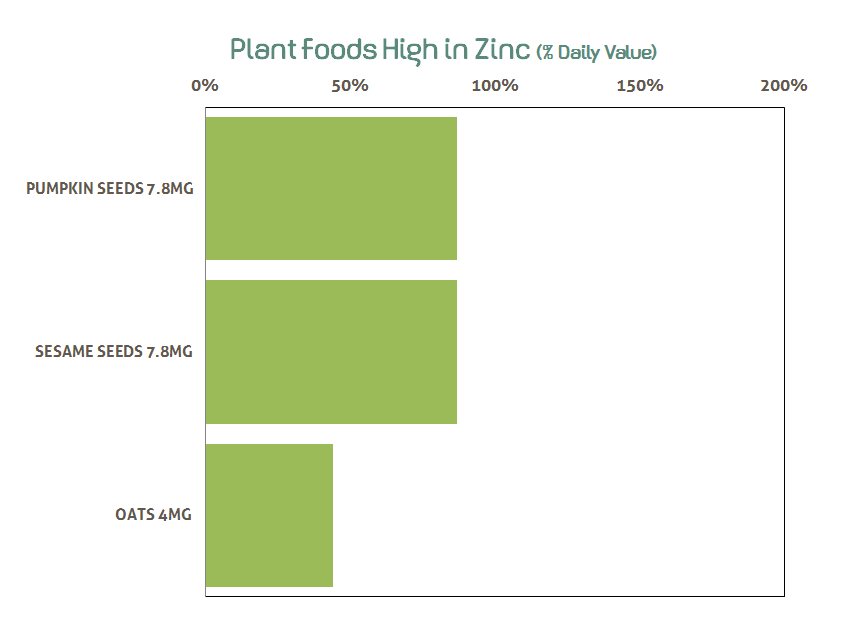
Zinc Deficiency
•"Oral zinc sulfate in the treatment of rosacea: a double-blind, placebo-controlled study," Sharquie KE, Najim RA, et al, Int J Dermatol, 2006; 45(7): 857-61
Stomach Acid Deficiency
•"Helicobacter Pylori Strikes Again: This Time It's Rosacea", Baker, Barbara, Family Practice News, September 1, 1994;6
Note: Instead of using antibiotics, it would make more sense to treat the cause of H. Pylori infestation and that is to treat the hypochlorhydria condition. See your naturopathic doctor about this.
•“Remission of rosacea induced by reduction of gut transit time.” Kendall SN, Clin Exp Dermatol. 2004 May;29(3):297-9.
Note: Again if the hypochlorhydria was corrected, the gut transit time would improve and alleviate this problem.
Indole-3-Carbinol Deficiency
•“Indole-3-carbinol is a negative regulator of estrogen.” Auborn, K et al, J. Nutr. July 1, 2003 vol. 133 no. 7 2470S-2475S
Note: Indole-3-carbinol is a naturally occurring compound in broccoli, cauliflower, kale, cabbage and other cruciferous vegetables, which earlier research has found offers protection against breast and prostate cancer, also greatly reduces the excess estrogen found in many cases of rosacea.
Stress
•"Psychological Support Important Factor in Rosacea Therapy," Family Practice News, September 11, 1996:20
Topical Vitamin C
•"Vitamin C Cream Improves Redness From Rosacea," Skin and Allergy News, April 2001;13/Cosmetic Dermatol, 2001;14(2):35-38
Summary and Suggestions
Dietary Suggestions
- Avoid food sensitivities: identify and eliminate allergic foods (see your naturopathic doctor for allergy testing)
- Begin with a four-day rotational diet and elimination of allergic foods
- Emphasize an alkaline and anti-inflammatory diet – generally a plant-based diet with mineral-rich foods
- Try a vegetarian diet high in vegetables and complex carbohydrates
- Eat berries, e.g. bilberry, blueberry, blackberry, etc. for vitamin C and bioflavonoid content.
- To reduce flare-ups through your food, these items should be avoided or at least minimize the effects through proper balance.
- If on a vegetarian diet, try a fruit and vegetable diet or a short fast with medical supervision
- Avoid: alcohol, hot sauces, spicy foods, fried foods, fatty foods, rich foods, salty foods, stimulating foods, caffeine
- Eat a diet high in fibre, with plenty of raw and lightly steamed vegetables, and whole grains such as brown rice, millet, buckwheat, oats, amaranth, quinoa and spelt.
- Avoid acid-forming foods including sugars, sweeteners, and meats (beef, pork, lamb and the skin of chicken and turkey, as well as dairy products). These promote inflammation.
- Avoid fried foods for the same reason.
- Avoid salt and sugar.
- Allow food to cool slightly before eating it.
- Drink plenty of water (rule of thumb is 8-12 8oz glasses of water)
Food Suggestions
- Increase Yin foods that cool the heat in the blood and lungs: squash, cucumbers, watermelon, winter melon, celery, carrots, cabbage, beet tops, dandelions, aloe vera, mulberry leaves, carrot tops, lettuce, potato, cherries, papaya, pear, persimmon, raspberries, buckwheat, alfalfa sprouts, millet, brown rice, mung beans, plenty of water
- Emphasize burdock root, and onions
Smoothie Suggestions (serves 1)
Ingredients
- 1 cup filtered water
- 1 heaping tbsp Purefood A-Z (10g)
- 1 scoop Purefood B (1.5g)
- 1 scoop Acerola C (1.25g)
- 1 tsp (6g) organic raw chia seeds
- 1 tsp (5.1g) organic raw sesame seeds
- 1 medium organic apple (125 g)
- 1 heaping tsp raw cacao (5.8 g)
Directions
Wash the apple and cut into medium pieces. Combine all ingredients in a blender and blend until smooth. Drink slowly and enjoy.
Substitutions
- Organic non citrus fruit juices to replace water for taste
- Organic raw flaxseed to replace chia seeds for omega fatty acid
- Organic raw pumpkin seeds or walnuts to replace sesame seeds (for zinc
- Fresh organic pear or banana to replace apple for fiber, nutrients and flavor

Juice Suggestions (serves 1)
Ingredients
- 2 medium organic carrots (256g)
- 1/2 organic cucumber (215 g)
- 2 medium red cabbage leaves (300 g)
- 1 medium organic apple (125g)
Directions
Wash produce well. Cut produce into small enough peices to feed through your juicer. Juice, combine, drink slowly and enjoy!
Substitutions
- Organic beets and beet tops to replace carrots (vitamin A and other carotenoids)
- Organic green cabbage or kale to replace red cabbage for IC3
- Organic pears or watermelon to replace apple for nutrients, fibre and flavour

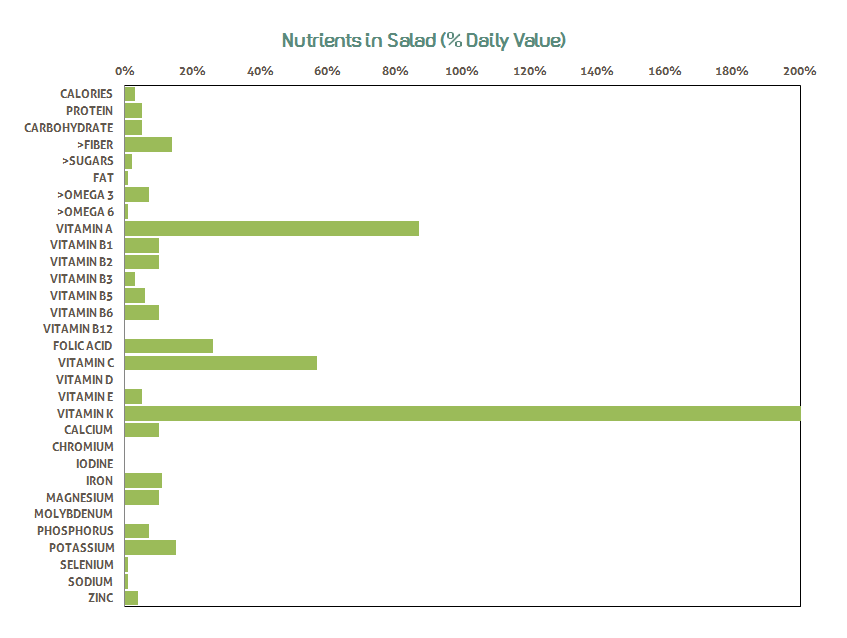
Salad Suggestions (serves 1)
Ingredients
- 2 medium leave organic lettuce (65 g)
- 1/4 cup organic cucumber, sliced(107.5 g)
- 1/2 cup organic dandelion leaves (27.5 g)
- 1/2 organic watermelon, diced (76 g)
Directions
Wash greens well and tear into bite size pieces. In a medium bowl toss greens, cucumber, and watermelon. Serve with dressing below.
Substitutions
- Organic spinach to replace lettuce
- Organic watercress to replace dandelion leaves
- Optional- Add pumpkin seeds or walnuts
Salad Dressing Suggestions (serves 1)
Ingredients
- 1 tbsp organic walnut oil
- 1 tsp organic lemon juice
- 1 tbsp fresh organic mint, chopped (1.5g)
- 1 tbsp fresh organic basil, chopped (2.5g)
- Pinch of Himalayan sea salt to taste
Directions
In a small bowl, whisk together apple cider vinegar and oil until well combined. Mix in crushed garlic, oregano, parsley and sea salt. You may also combine all ingredients in a blender. Serve on fresh salad and enjoy.
Substitutions
- Organic flax oil to replace walnut oil
- Organic apple cider vinegar to replace lemon juice

Stir-fry Suggestions (serves 2)
Ingredients
- 1 cup organic red cabbage, chopped (150 g)
- 1 medium organic carrot, chopped (128 g)
- 1 medium onion, chopped (94 g)
- 1 cup butternut squash, peeled and diced (205 g)
- 2 stalks organic celery, diced (170 g)
- 1 clove organic garlic (3 g)
- 1 tsp cinnamon (2.3g)
- 1 tsp dried thyme (1g)
- 1 tsp dried marjoram (1g)
- 1 tsp himalayan sea salt
- 1 tbsp organic coconut oil (13.5 g)
- 1 cup organic brown rice cooked (195 g)
Directions
Rinse brown rice. In a small pot bring 1 1/2 cup water to boil. Add rice and reduce to simmer, cover and cook for 30-40 minutes. Wash and chop all veggies into bite size pieces. In a large pan or wok, heat coconut oil over medium heat. Stir in onions and celery and cook until clear. Add squash and cook for 10 minutes. Next add the carrots and cabbage, stir and cover for 10 minutes. Add spices, salt and garlic stir and cover for 5 minutes. Serve on cooked brown rice. Chew well and enjoy!
Substitutions
- Raw organic walnuts for Omega 3

Topical Suggestions
- Aloe vera gel topically: note some individuals might be have an allergic reaction to it, and do not apply before going out to the sun
- Vitamin C: mix 1 tsp Acerola C powder with 1 tsp water and apply on affected area before bedtime
- Melaleuca cajuputi (Tea tree) essential oil: apply sparingly on affected area if Candida is suspected
Herbal Tea Suggestions
- Burdock root and peppermint tea – place 1 tsp of each herb into 5 cups of water, boil for 5 minutes, turn off the heat source and let stand for another 15 minutes until it’s cool, then drink 2 to 4 cups a day
Stress Management Suggestions
When the body and mind is in a reactive or sympathetic mode, large amounts of excitatory catecholamines (including epinephrine, norepinephrine and cortisol) are released which can aggravate the condition leading to hyperactivity, restlessness, insomnia, anxiety, fear and even panic attacks. Breathing and breathing exercises becomes very important to shift from reactive sympathetic state to a parasympathetic and calm state. Being aware of your breathing pattern (especially when you hold your breath or breathing fast), practice slow and regular breathing, having a good sitting or standing posture, avoid multi-tasking and slowing down your pace would greatly reduce your stress hormones and neurotransmitters.
Stress reaction leads to the release of cortisol from the adrenal glands along with sex hormones including estrogen and testosterone. These fluctuating levels can worsen your condition. In order to regulate adrenal function:
- Maintain regular sleep/wake cycles; this will coincide with a healthy glandular rhythm (your internal clock)
- Get adequate sleep every night; lack of sleep with lower your stress tolerance and induce stress hormones
- Eat 4 regular meals a day (3 meals and a snack) including a complex carbohydrate and/or protein at each meal
- Exercise only during the day; exercise in the evening can disrupt your sleep cycle and cause insomnia
- Praying, meditating, reading and taking a bath in the evening helps to slow down your mind and body before bed
- Watching TV, emailing, playing video games, and socializing are not considered relaxation and may disturb sleep
- Staying positive, being grateful and compassionate, and enjoying a good laugh each day also helps
Naturopathic Medicine
- It is important to test for food allergies. Certain foods seem to be more likely to cause rosacea. Eliminating these foods from the diet is a good way to determine if one or several of them are responsible for the problem. If you are allergic to several foods, remember that must avoid every single allergen for at least a few weeks before you will notice a change in symptoms. The main problem foods are dairy products (including milk, cheese, ice cream, yogurt), eggs, gluten (wheat, rye, barley, spelt, kamut, etc.), corn, and sugar. Ask your naturopathic doctor to do an Elisa blood test for food allergens.
- If you have indigestion, ask your doctor about correcting low stomach acid, if appropriate. Many cases of rosacea have completely resolved with correcting for indigestion.
- Ask your naturopathic doctor about assessing for adrenal and thyroid function and correcting those imbalances initially. If your rosacea still persist, then do a comprehensive hormonal test including estrogens, progesterone, testosterone, DHEA, pregnenolone and their metabolites to correct the imbalance.
Click “Ask the Doctor”
References
www.whfoods.org
www.nutritiondata.self.com
www.ndb.nal.usda.gov/ndb/foods/list
www.vitasearch.com
This article is for educational purposes only. This information has not been evaluated by Health Canada nor the Food and Drug Administration. This information is not intended to diagnose, treat, cure, or prevent any disease.
|